Sample No. 0101
Wedding Videographer Consultation: Questions About Style, Coverage and Editing
Ask about filming style, audio, coverage, deliverables and cultural moments to find a videographer whose approach fits your wedding.
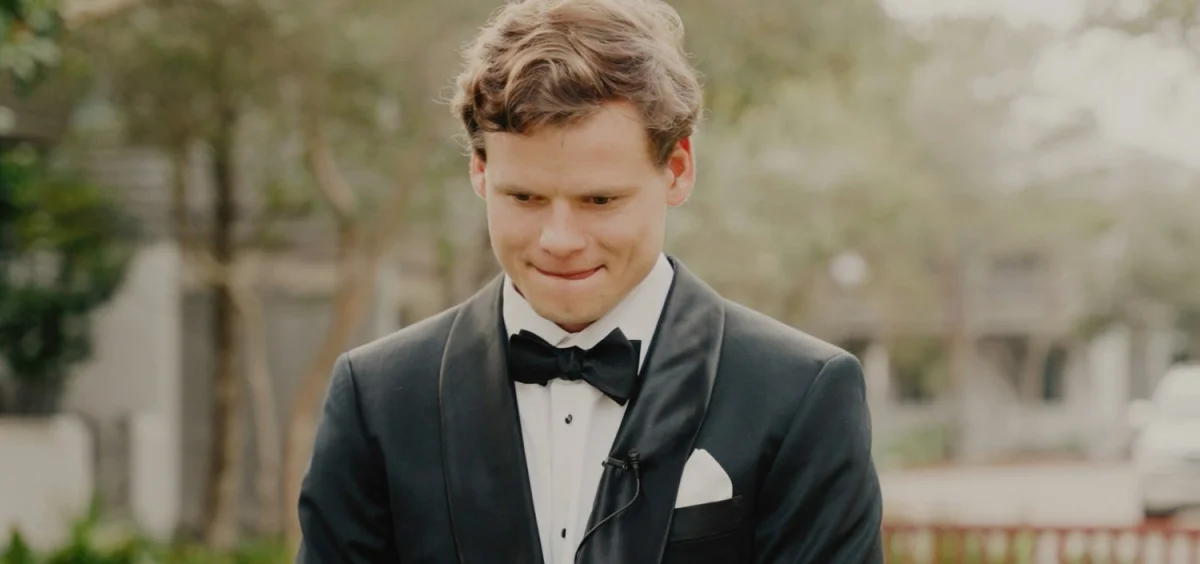
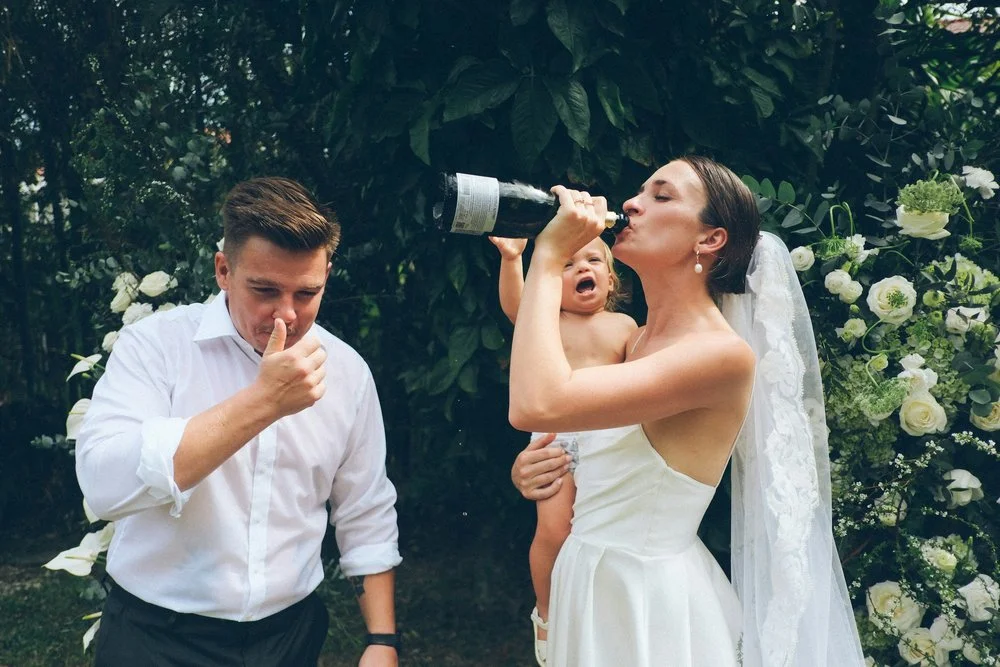
A wedding videographer’s work is shaped as much by how they move through the day as by the film they deliver afterward. A consultation gives you a chance to compare expectations: what moments they’ll capture, how they’ll record sound, and how they’ll work alongside you and your other vendors. You don’t need technical expertise to have a useful conversation. Clear questions can reveal whether the person behind the camera feels like a good fit.
Start with the way they film
Ask the videographer to describe their usual approach and how much direction they give couples and guests. Some favor posed or carefully arranged footage; others work in a documentary style, while cinematic films may use more deliberate composition and editing. These approaches can overlap, so ask what they look like during a real wedding day.
If you want candid moments and as little interruption as possible, explain that preference and ask how the videographer would accommodate it. Xpression Video Productions describes its wedding cinematography approach as focused on candid moments and an unobtrusive presence. Whatever style you’re considering, look at examples of complete films, not only short highlights, to get a clearer sense of pacing and coverage.
Map the hours and moments covered
Ask when filming starts and finishes, then walk through the events you expect to include: getting ready, the ceremony, portraits, cocktail hour, reception and dancing. Packages can differ in both duration and the parts of the day they cover. If your schedule includes events at different locations or overlapping activities, mention that during the conversation and ask how the proposed coverage would work.
Confirm what happens if the day runs late. A ceremony may begin behind schedule, family portraits may take longer than planned, or speeches may stretch out. Ask how the videographer handles timing changes and whether any limits on coverage could affect the final film. A realistic conversation about the schedule helps you understand what can be captured if the day unfolds differently than expected.
Ask how they record sound
Strong visuals won’t preserve the words and reactions that make a wedding personal. Ask how the team captures vows, readings, speeches, toasts and ambient sound, and what recording equipment they use. You can also ask how they plan for situations where a microphone cannot be placed close to a speaker or where several people speak in turn.
If particular readings, languages or musical moments matter to you, bring them up before the wedding. That gives the videographer a chance to understand what audio needs attention and where those moments fit into the schedule.
Clarify the team and the final films
Find out how many cinematographers will attend and what each person will cover. A second shooter may help when events happen at the same time or when you want different views of a moment. Ask how the team coordinates its work and whether the package you’re discussing includes one person or more. Xpression has also shared information about the benefits of a second wedding videographer.
Then make the deliverables specific. Does the collection include a highlight film, full ceremony, speeches, documentary edit or reception coverage? Ask about digital delivery and whether revisions are included. Package names alone may not tell you how much footage you’ll receive or which portions of the day appear in each film. Xpression lists its available coverage and deliverables in its wedding film packages.
Understand editing and collaboration
Ask what happens once filming is over: how long editing usually takes, whether you can review the film, and what the revision process includes. Knowing these steps helps set expectations for when you’ll receive your films and how feedback is handled.
Your photographer and videographer may need to work in the same spaces, sometimes at the same time. Ask how the videographer coordinates with the photographer during portraits, the ceremony and other key moments. It’s useful to know how they’ll make room for both kinds of coverage while keeping the day comfortable for you.
Share the moments that matter to you
Tell the videographer about cultural or family traditions, meaningful participants and moments that may not be obvious to someone unfamiliar with your plans. Explain names or roles they should know and flag any events where filming needs a particular approach. Couples and families celebrate in many ways; sharing context helps the team prepare to document what matters to you without making assumptions.
Finally, consider how you feel talking with the person who’ll be nearby throughout the day. A consultation should leave you with a clearer picture of the process, the package and the working relationship, without pressure to decide on the spot. Couples planning in Toronto or the GTA can contact Xpression Video Productions to discuss a wedding film. Bring your priorities and schedule to the conversation, then compare the answers with the films and coverage you actually want.