Sample No. 0100
Wedding Videography: The Candid Moments Couples May Miss
A wedding film can preserve reactions, family connections and reception moments couples may not see as the day unfolds.
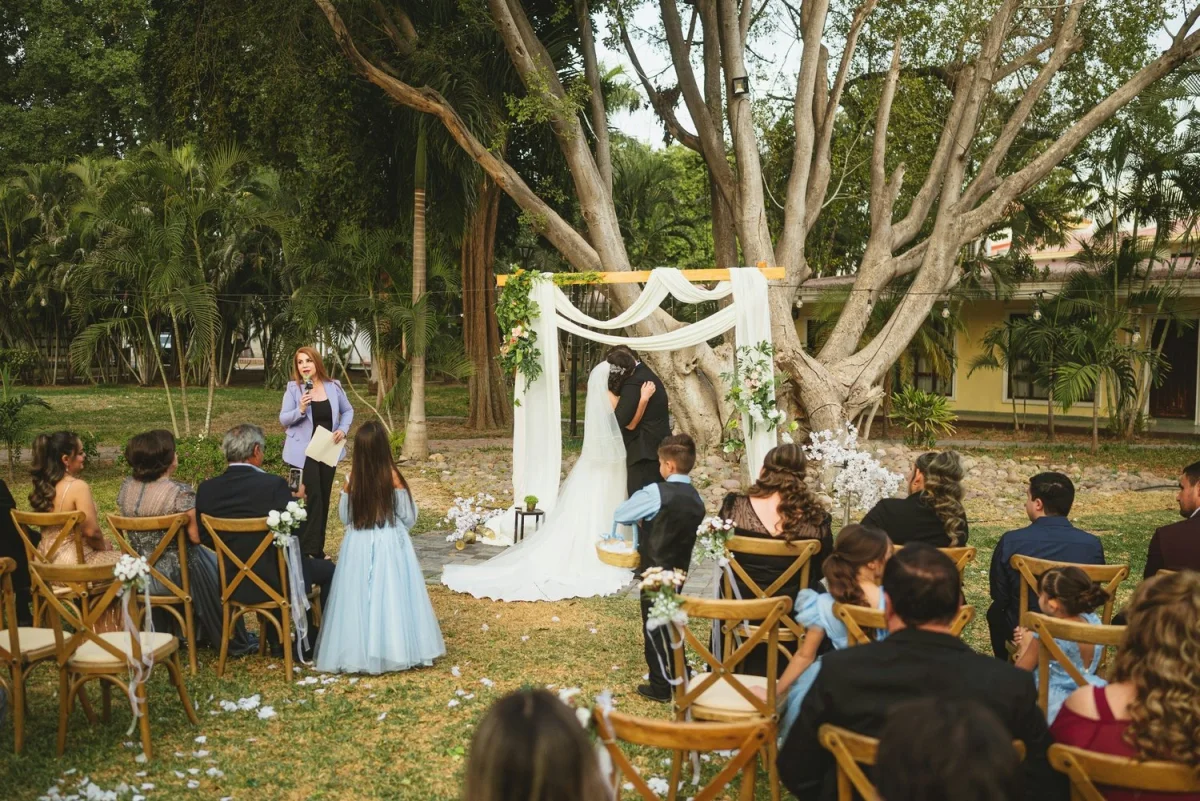
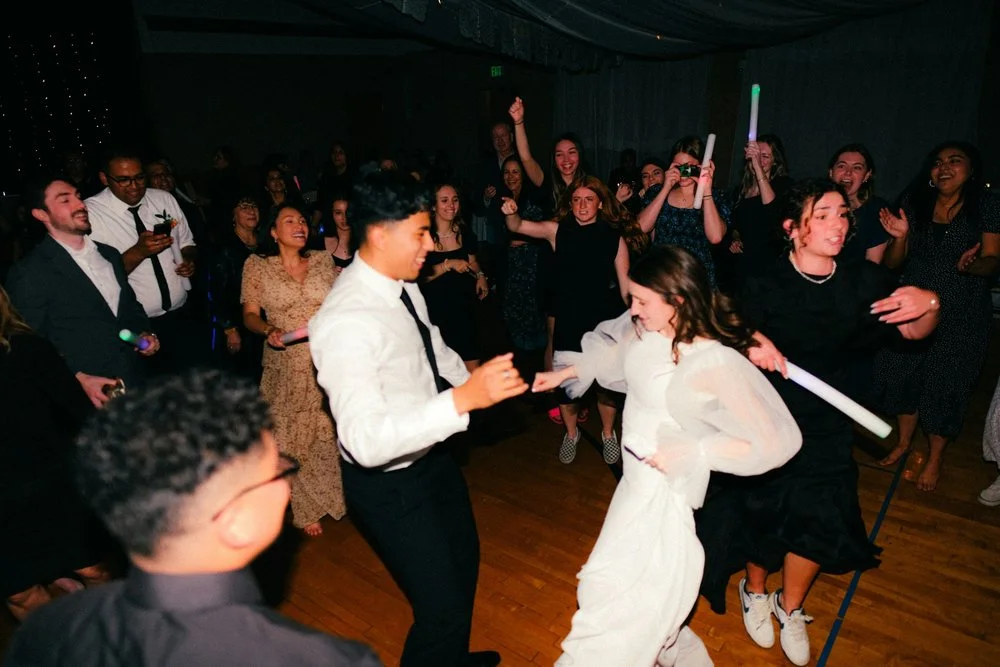
A wedding film can fill in the parts of the day couples experience only in passing. While you're focused on the ceremony, greeting guests or keeping to the schedule, your family and friends are having their own moments nearby. Those reactions and interactions can add a fuller sense of what the celebration felt like when you watch it later.
That makes candid footage a useful part of wedding videography alongside the planned events. The ceremony, speeches and first dance give a film its landmarks; the moments around them show the people and relationships that gave the day its character. Couples choosing coverage can ask how a videographer works during these less structured parts of the schedule and how they capture both sides of the celebration.
Look beyond the couple's point of view
One of the most affecting scenes may be a parent's response while you get ready or walk toward the altar. A smile, a tear, a quiet laugh or the first look at you dressed for the day can happen quickly. Since you may be elsewhere at the time, a film can let you see the moment later and share it with family.
There may also be a whole parallel story before the ceremony. While one partner gets ready with family and friends, the other might be having a different conversation, sharing a joke or taking a breath before the day begins. Footage from both preparations gives the finished film a wider view of the people who supported each of you.
Ask in advance how the videographer plans to cover separate preparation spaces, especially if they are in different parts of a venue. That practical conversation can clarify which moments are possible to capture and how the schedule supports them.
Make room for anticipation
Quiet scenes can carry emotion without a major event taking place: someone looking out a window, a deep breath before the ceremony, a parent helping with a final detail or friends talking together. These small pauses show the anticipation around the wedding and give the film a sense of how the day unfolded.
A packed timeline can leave little breathing room for these scenes. Couples can discuss the pace of the day with their planning team and videographer, then identify transitions where there may be time to observe without interrupting. No special pose or added activity is needed; the value is in having space for ordinary interactions to happen naturally.
See the celebration through your guests
Couples often spend the reception moving from one conversation to another. A film may show grandparents enjoying the evening, friends laughing during cocktail hour or relatives greeting one another across the room. These scenes help bring guests into the story, rather than limiting it to the couple's scheduled appearances.
Speeches offer another view of the room. You may remember the words, but not every expression or exchange that followed a story. Laughter, surprise, a shared glance or an emotional response can make the memory richer. The audience's reaction can be part of the scene, not just background to the person speaking.
Small family interactions matter for similar reasons. A quick hug, siblings joking, a grandparent spending time with the couple or children moving through the reception may last only a few seconds. They may not be listed on the timeline, yet they show the connections that made the gathering personal. Years later, footage of familiar faces and gestures can carry meaning beyond the formal events.
Capture the reception's atmosphere
The reception is more than a sequence of milestones such as the first dance or cake cutting. Its feel comes from the activity around those events: friends celebrating, parents relaxing into the evening and guests filling the dance floor. Candid footage can preserve that movement and sound, helping couples revisit the mood as well as the order of events.
When comparing videography options, couples can ask how a professional balances planned coverage with observation. A natural, unobtrusive approach aims to record real interactions while letting guests enjoy themselves. It can also help to discuss which people, relationships or parts of the celebration are especially meaningful to you, so the videographer knows where to pay attention.
Let the film tell the day as it felt
A timeline records when the ceremony, meal and speeches are meant to happen. A wedding film can add what was happening around those markers: a parent's expression, a conversation across the room or a burst of laughter among friends. That broader view is especially useful because no couple can be present for every moment at once.
Xpression Video Productions describes its approach as capturing planned events while staying attentive to genuine interactions. Couples planning in Toronto or the GTA can explore its wedding videography services and view its wedding collections.
When planning coverage, consider who and what you might want to see again: the people waiting before the ceremony, guests sharing the reception or family members whose everyday gestures mean a lot to you. Those details can turn a record of the schedule into a personal account of the day.