Sample No. 0102
Nostalgic Wedding Films: Super 8, Camcorders and Practical Planning Tips
Compare Super 8, camcorder and digital vintage styles, then plan your videographer, setting and details around the memories you want to keep.
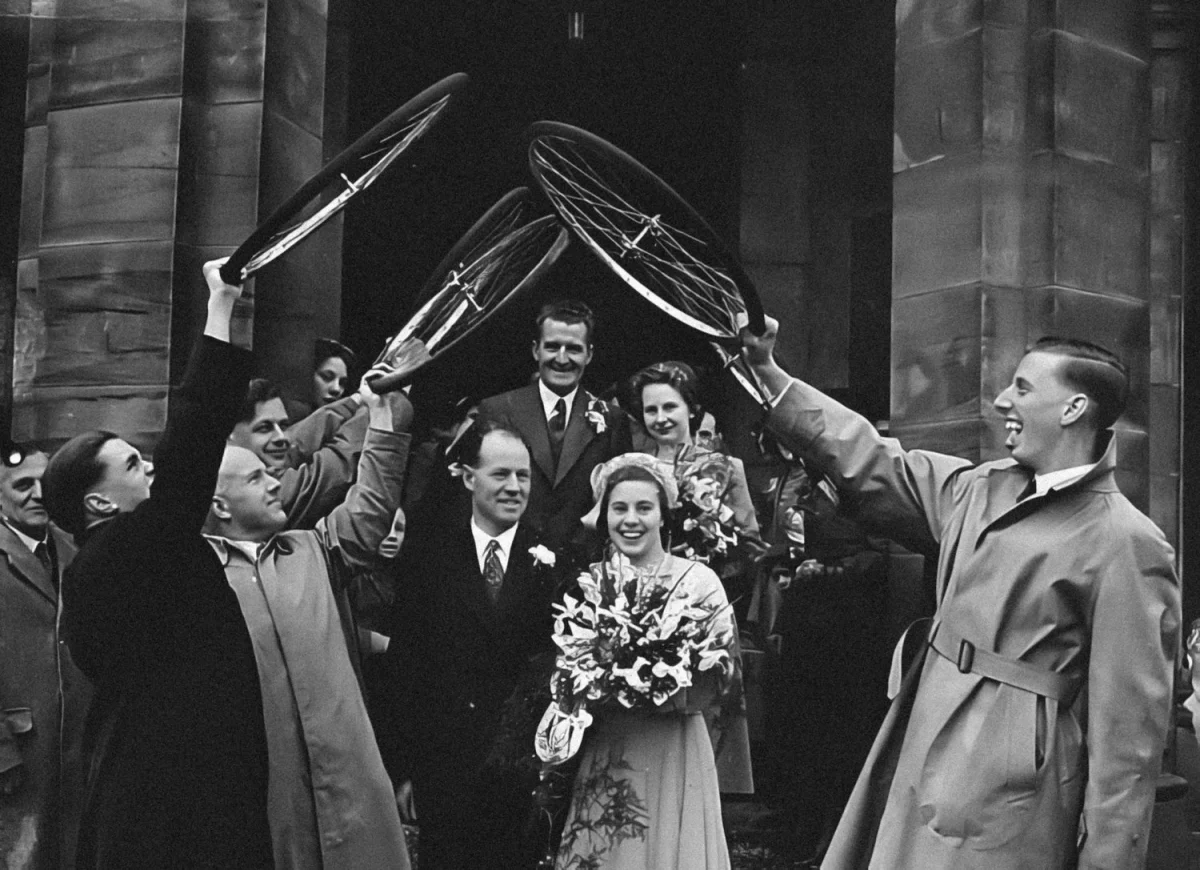
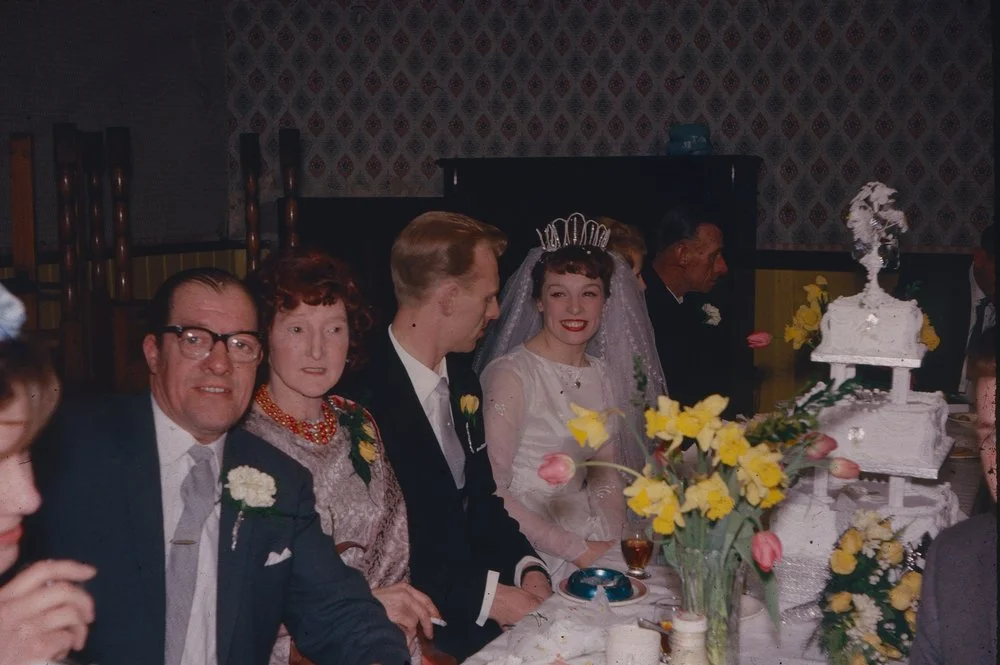
Nostalgic wedding films trade technical polish for the textures that make footage feel like a memory: soft focus, grain, warm color, camera shake and unguarded moments. Couples drawn to this look can choose among actual film, older camcorders and digital editing. The practical decision is how each approach fits the mood, budget and level of unpredictability they want.
Why the vintage look resonates
Modern cameras capture sharp, smooth images, while social feeds often favor carefully arranged scenes. Against that backdrop, footage with visible imperfections can feel personal and immediate. Its appeal rests less on copying a particular decade than on putting emotion ahead of technical precision.
Pop culture has also renewed interest in retro imagery. Stranger Things, for example, draws on 1980s colors, synth-driven music and visual atmosphere. Couples who connect with that style may bring similar choices into their wedding film, from VHS-inspired effects to throwback music. The reference can be personal, cultural, or both.
There’s a lasting quality to a film designed to look aged. A visual effect tied to current technology may feel dated as styles shift; grain and warm tones already suggest a particular kind of past. The images also leave room for the people in them to take focus: a laugh during a toast, a fleeting glance or guests moving through the celebration.
Three ways to create the look
Super 8 and 16mm
Actual film offers physical texture that digital editing can imitate but not reproduce in precisely the same way. Super 8, associated with the 1960s and 1970s, is known for visible grain, saturated color and occasional red or orange light leaks. The camera’s mechanical sound and the need to change cartridges give filming a more deliberate pace. The result can feel soft, romantic and handmade.
Real film also brings practical considerations. It may be offered as an add-on, and developing costs can make it more expensive. Ask the videographer how much of the day they expect to record on film and what footage, if any, will be captured digitally as well.
Hi8 and MiniDV camcorders
Older Hi8 and MiniDV cameras lend themselves to footage inspired by family recordings from the 1990s and early 2000s. The style tends toward playful, informal energy: timestamp overlays, direct camera flash on the dance floor and quick digital zooms. Couples who want the warmth of a home movie may prefer this to the softer romance of Super 8.
Digital color, motion and sound
Digital capture can provide a vintage look in editing, with contemporary footage shaped to resemble older film. Editors may warm highlights, shift shadows toward teal or introduce grain. They can also adjust motion: while modern footage commonly uses 24, 30 or 60 frames per second, the source describes older film as often running around 18 frames per second. A lower rate can make movement feel less smooth and more like a recollection.
Sound helps establish the era and the atmosphere. Motown, classic jazz or 1970s rock can support one direction; lo-fi music with vinyl-like scratches and pops can support another. Raw sounds—laughter, wind or the click of a lighter—can sit alongside the music, keeping the film connected to the space and the people in it.
Choose a videographer with the right approach
Start by looking for someone whose existing work matches the style you want. A portfolio should show a consistent feel, including films where the couple and setting are unfamiliar to you. If you have to explain every reference before the images make sense, the videographer may not be the right fit.
Ask what tools they use and what the deliverables will include. Do they shoot Super 8 or 16mm, use a Hi8 or MiniDV camcorder, or create the look in digital editing? Each can produce a distinct result, and knowing the method helps you understand what you’re paying for. If actual film is part of the plan, ask about developing costs and how the footage will be combined with any digital recording.
It’s also useful to discuss sound and coverage before the day. Share whether you want a romantic, dreamy tone or a lively home-movie feel, and whether spoken moments, ambient sound or music should lead. These preferences help the videographer make choices that feel intentional instead of relying on a generic vintage effect.
Connect the setting and details to the film
Textures and objects can strengthen a vintage visual style without requiring every part of the celebration to follow a theme. Historic homes and estates, brick, worn paint and gardens with mature growth offer visual detail. Forests and the movement of the ocean bring another kind of texture, with natural changes in light and motion.
Wardrobe and small details can contribute, too. Veils, lace and pearls catch light in ways that suit a soft, romantic image. A typewriter guestbook or film cameras for guests can add tactile touches. A vintage convertible or classic Rolls Royce can create a striking departure scene. These are optional creative choices; the film’s mood doesn’t depend on buying or renting particular props.
If the venue is sleek and all white, it can still work. Talk with the videographer about how its clean lines will appear alongside a grainy or warm treatment, and choose which visual details you’d like the film to emphasize.
Make room for candid moments
Vintage-inspired footage often works best when the couple isn’t trying to control every frame. Actual film can briefly fall out of focus, the camera may move, and light can flare. Those quirks are part of its character. Couples who want this style can agree on a few essential moments to capture, then give the videographer space to record the interactions around them.
That might mean a loud laugh during a toast, wind-tousled hair or a quick kiss away from the posed portraits. The aim isn’t to stage imperfection. It’s to let people respond naturally and trust that the film can hold more than a flawless image.
Keep existing recordings in the picture
Old VHS tapes, camcorder recordings and family wedding films can add personal context to a new film. Couples can look into transferring older footage to digital files that are easier to view and share on current devices. The original recording’s character is part of its appeal, so it’s helpful to ask what a transfer process will do to the image before choosing an approach.
A nostalgic wedding film can take the grainy romance of Super 8 or the spirited look of an old camcorder. Choose the style that feels like your memories, confirm the recording method and costs with your videographer, and leave room for the unscripted moments that give the finished film its life.