Sample No. 0085
Engagement Ring Budget: What to Spend and Seven Ways to Save
There’s no required price for an engagement ring. Set a comfortable budget, focus on the details that matter to your partner and compare ways to get more from your spend.
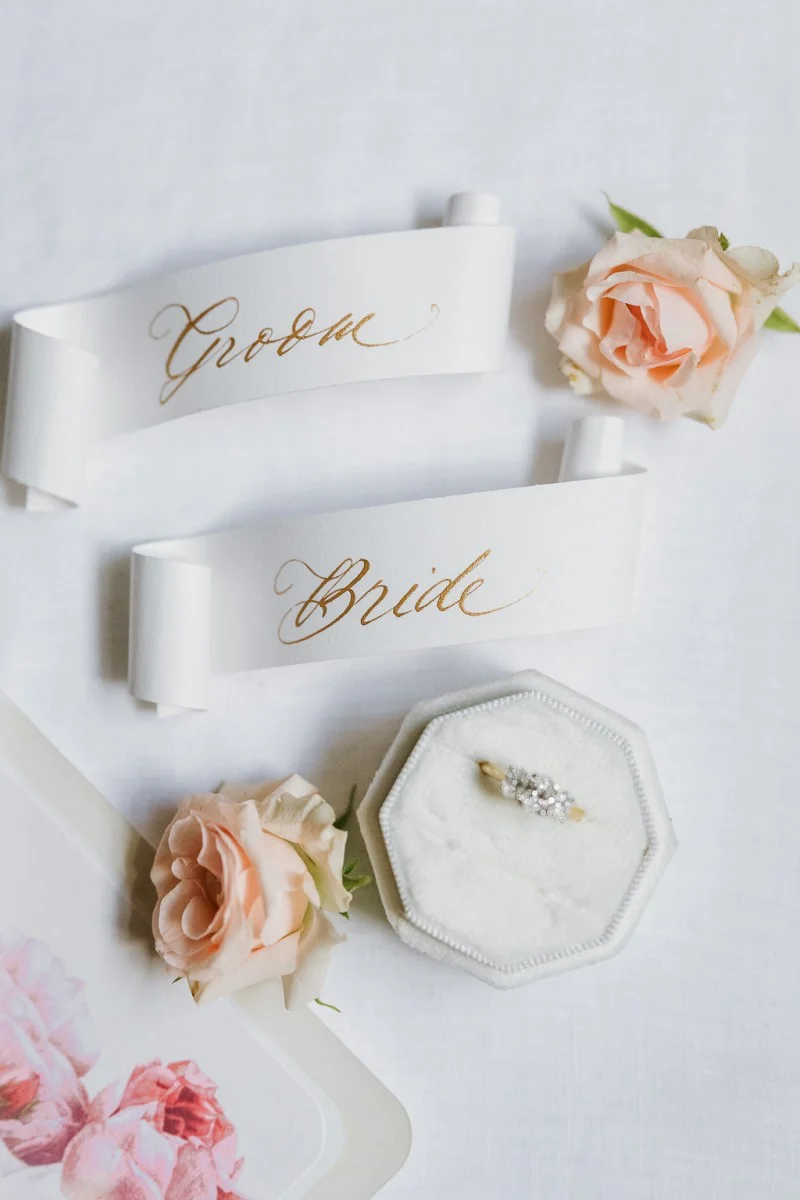
There’s no required price for an engagement ring, and a salary-based rule won’t tell you what’s right for your relationship. A useful budget starts with what you can comfortably afford, then narrows in on the style and features your partner would enjoy. The ring’s meaning matters more than its price tag.
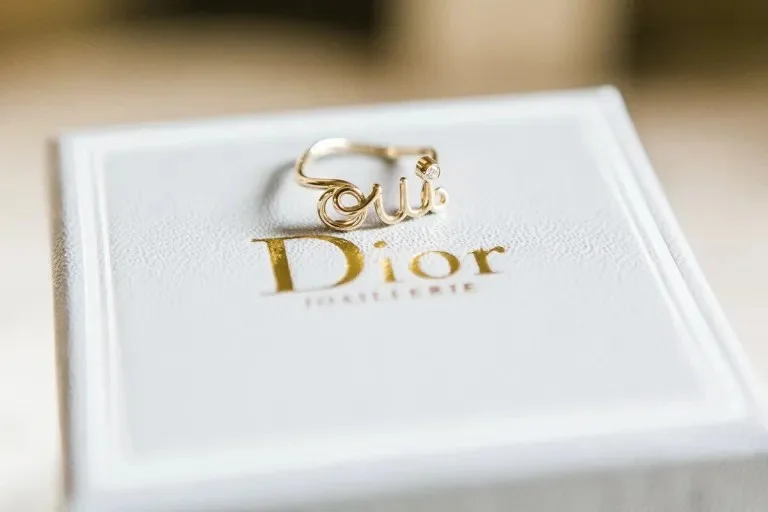
Let your budget reflect your circumstances
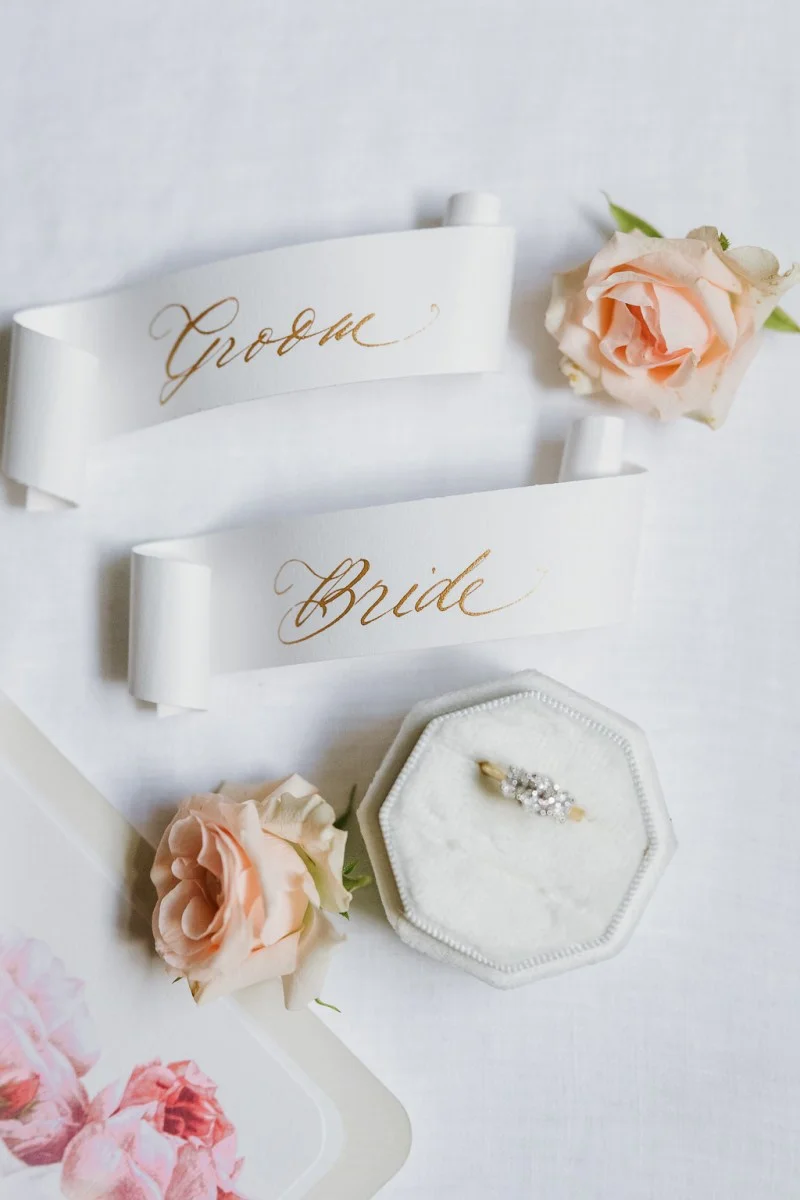
Advice to spend three months’ salary, one month’s salary or at least €1,000 is just that: advice. There’s no fixed etiquette or reliable average cost. Prices vary with the ring’s materials and design, the seller and the choices made about its stone. A ring that costs several months’ rent may suit some couples, while others would rather put that money elsewhere.
In an Instagram question, 63% of One Fab Day followers said their partner shouldn’t be expected to spend three months’ salary. One person said she and her partner split the cost; another thought one month’s salary was more common, while noting that earnings and available funds change what that means. One follower was glad her husband chose a large ring. Together, these responses point to the same practical starting point: know your partner’s taste and expectations, and decide what feels manageable for you.
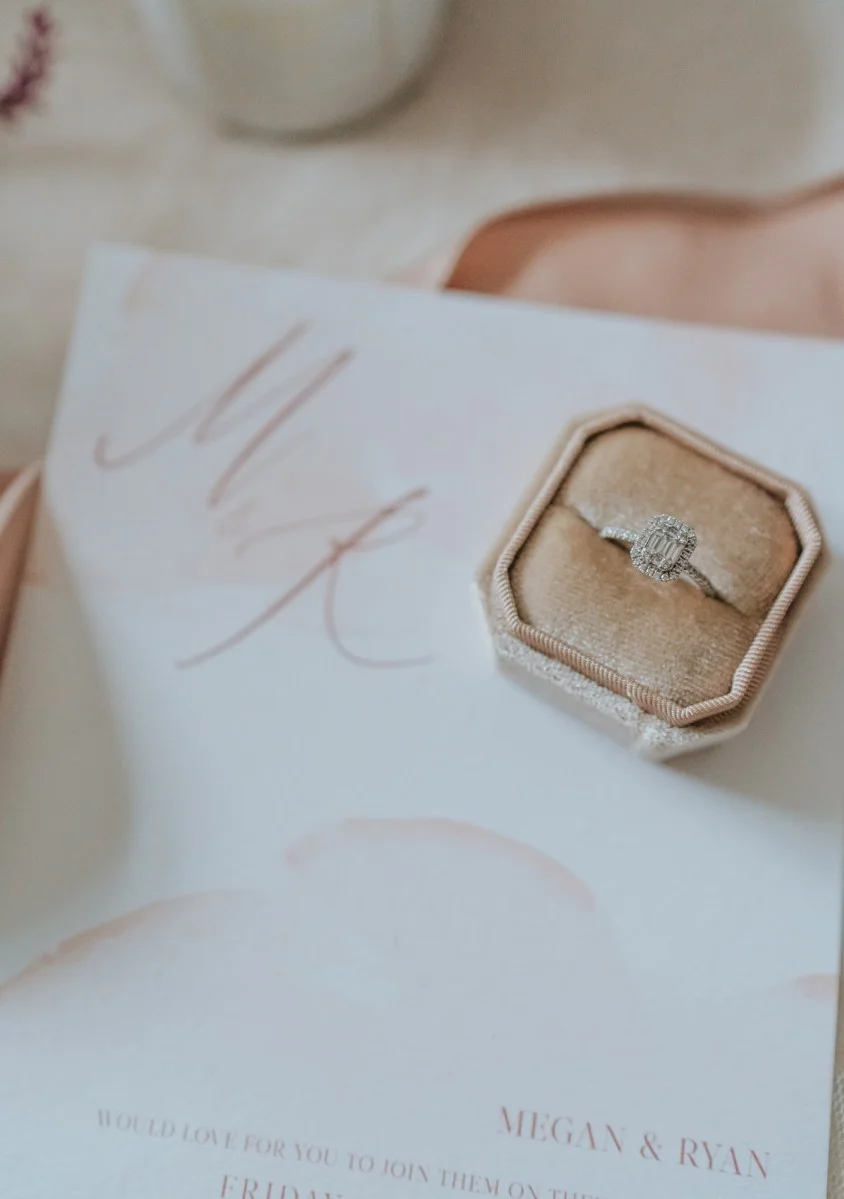
If your partner has their heart set on a larger stone or a designer name, you can plan for that preference, including by saving for longer. If not, there are plenty of ways to choose a ring that feels special without stretching your budget. The following steps keep the focus on priorities, quality and personal style.
Seven ways to make your ring budget go further
1. Choose which stone qualities matter most
The four Cs—carat, cut, colour and clarity—are major factors in a diamond’s price. Rather than trying to maximize every quality, decide which one or two matter most to you. For instance, you might prefer a smaller stone with strong clarity and sparkle, or a larger one with less clarity. The shape, or cut, can be a helpful first decision if your partner already has a particular style in mind.
Metal choice also affects the price. White, yellow and rose gold tend not to vary greatly in cost from one another, while platinum and palladium rings are generally pricier. These choices give you several ways to adjust the design while keeping its overall look in view.
2. Use the setting to add presence
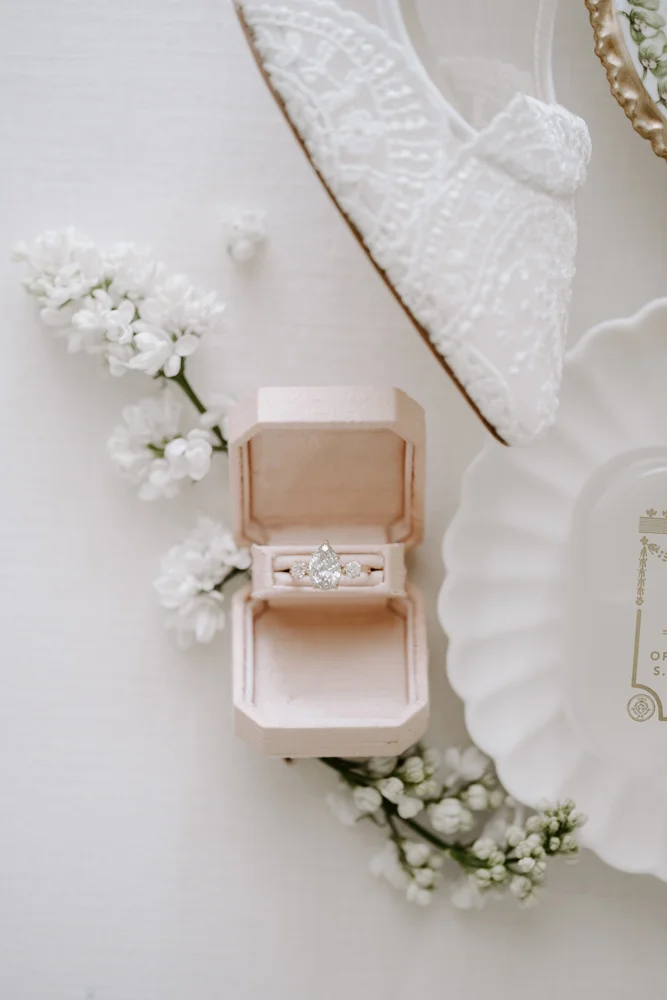
A smaller centre stone can still make a statement. A halo setting places a circle of stones around the main stone, while a cluster setting groups stones together; both can add sparkle and make the centre appear larger. Pavé bands have diamonds or other gemstones set into the ring’s band. They can bring extra shine, though they add to the cost, so weigh that detail against the rest of your design.
3. Consider other gemstones
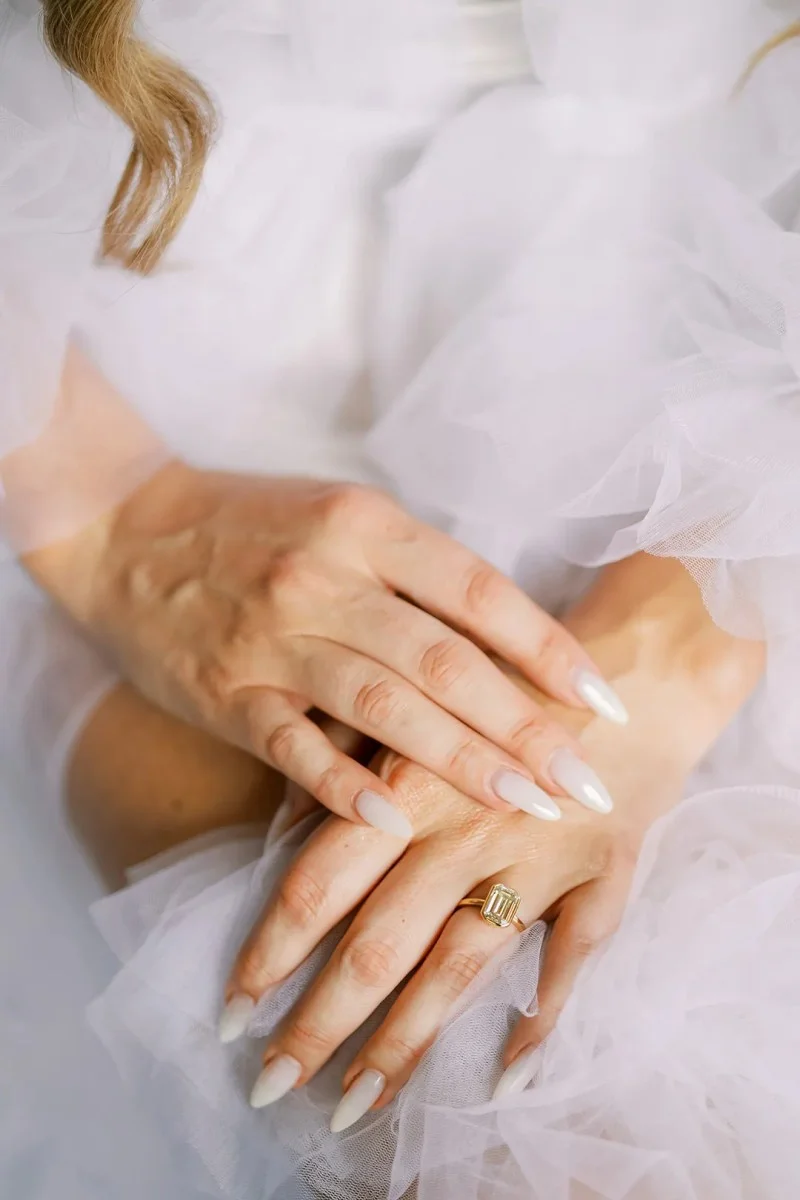
Diamonds are traditional, but they’re not the only option unless your partner specifically wants one. White sapphires are described as nearly as clear as diamonds and similarly durable and precious, while costing a fraction of the price. Moissanite is a sparkly lab-created gemstone and another option for a larger-looking centre stone.
Colour can also be part of the design: morganite, emeralds, grey diamonds, garnets and blue sapphires all offer alternatives to a traditional clear stone. Consider your partner’s preferences first, then compare stones that fit both their style and your budget.
4. Compare sellers and ask for certification
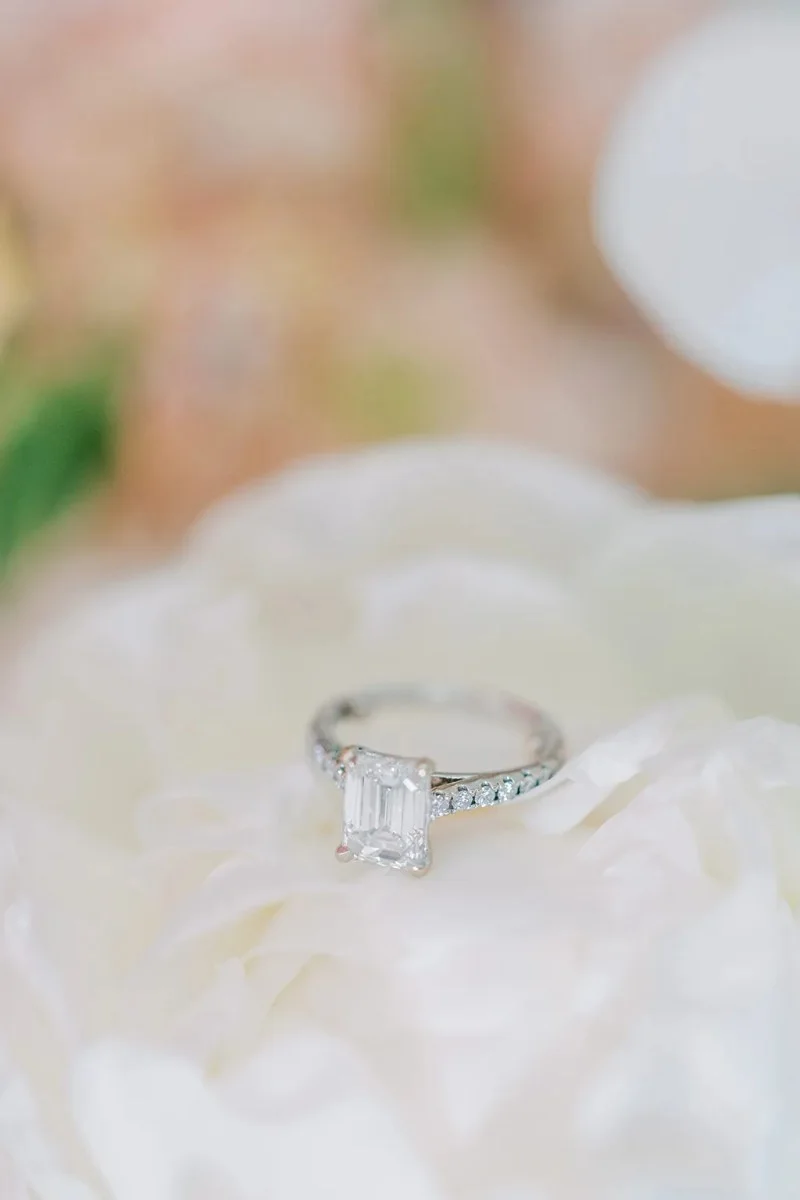
Prices for similar rings can differ from one jeweller to another. The cost of gemstones and precious metals is shaped by their underlying market value, so comparable-quality stones may have similar core costs. Some of the price can reflect a brand name or presentation. A well-regarded jeweller may also offer diamonds sourced sustainably and cut by skilled craftspeople.
Compare options in person and online, and consider auction houses as well. Wherever you buy, ask for certification for any gemstones. It provides information about the stone’s source and quality, giving you a basis for comparing options.
5. Tell your jeweller what you need
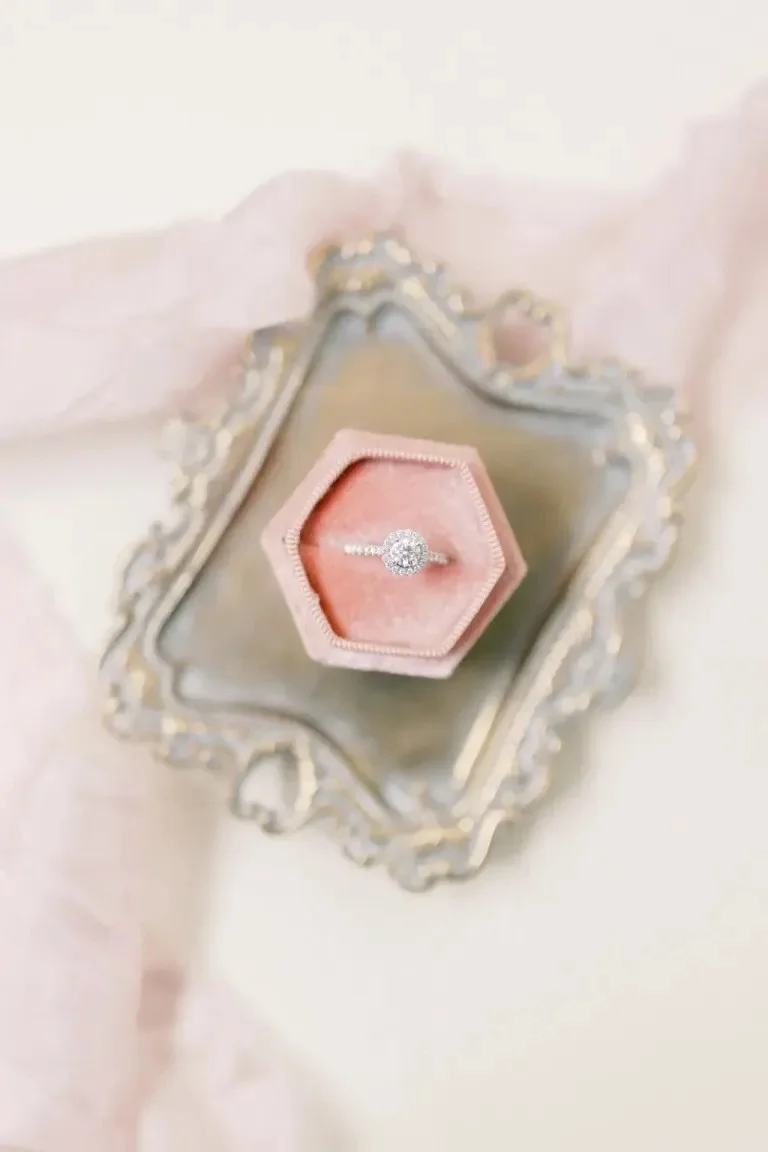
Share your budget and the details you have in mind with the jeweller. Their knowledge of stones, settings and materials can help identify designs that fit the amount you want to spend. You don’t need to arrive with every choice settled; a clear budget and a sense of your partner’s taste give the conversation a useful starting point.
6. Ask whether a custom design fits
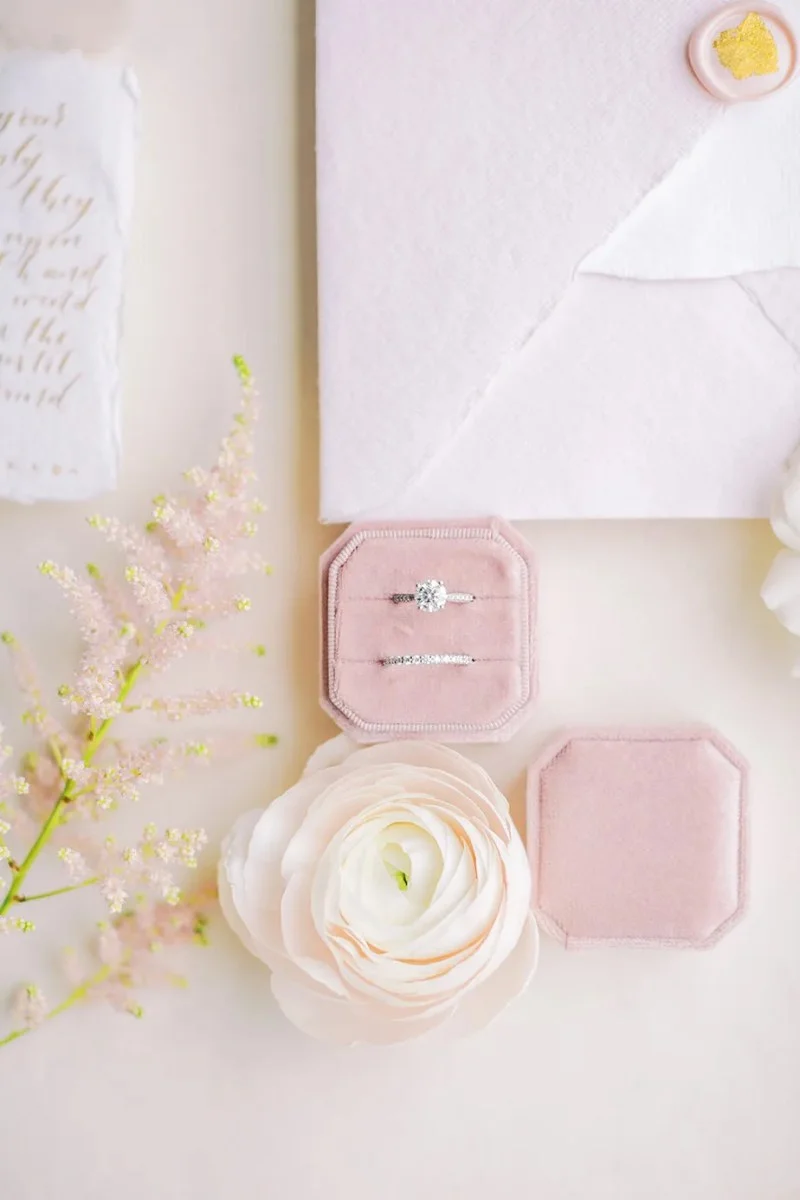
Bespoke rings can cost more, but a custom design may be worth exploring if you have a fixed budget and a specific vision. Ask a jeweller what can be made within your price range before assuming that a one-of-a-kind design will exceed it. The final cost depends on the choices in the ring, so discuss the details together.
7. Start with a simpler ring and upgrade later
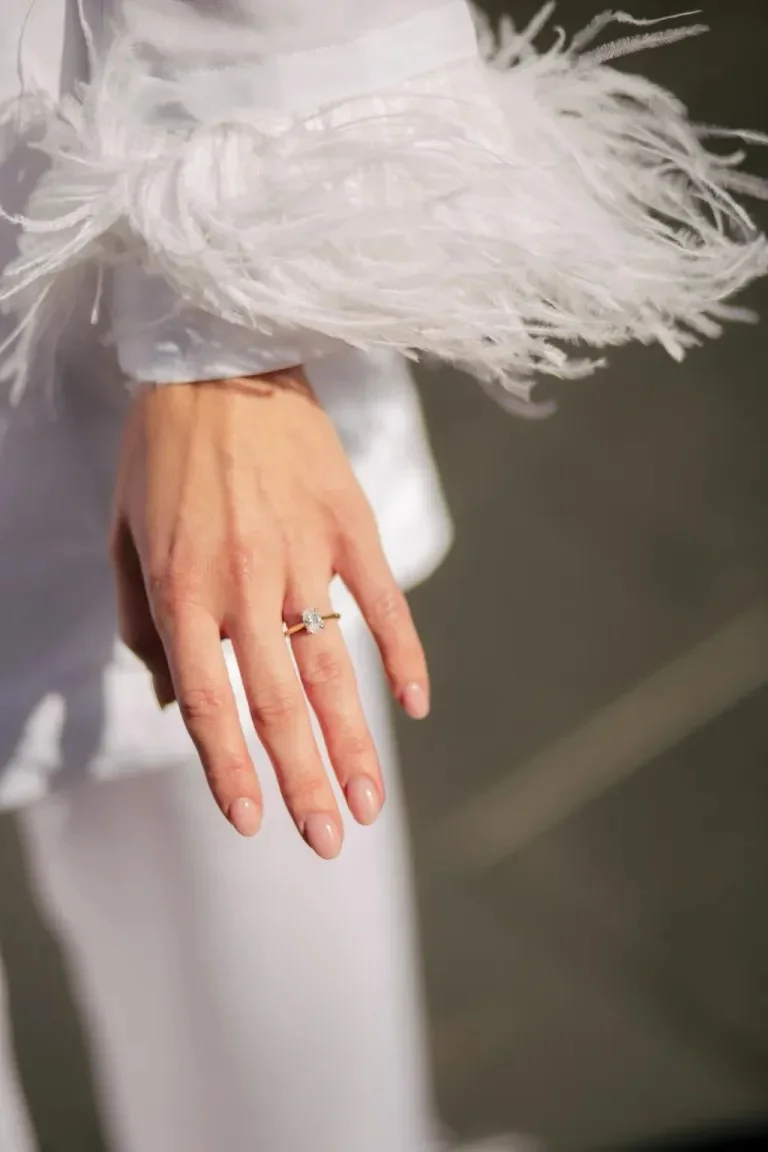
If you’re ready to propose but your dream ring doesn’t fit the budget yet, a token ring or a more affordable stone can mark the moment. You can upgrade the ring later if that’s what you both want. It’s one way to separate the timing of the proposal from the timing of a larger purchase.
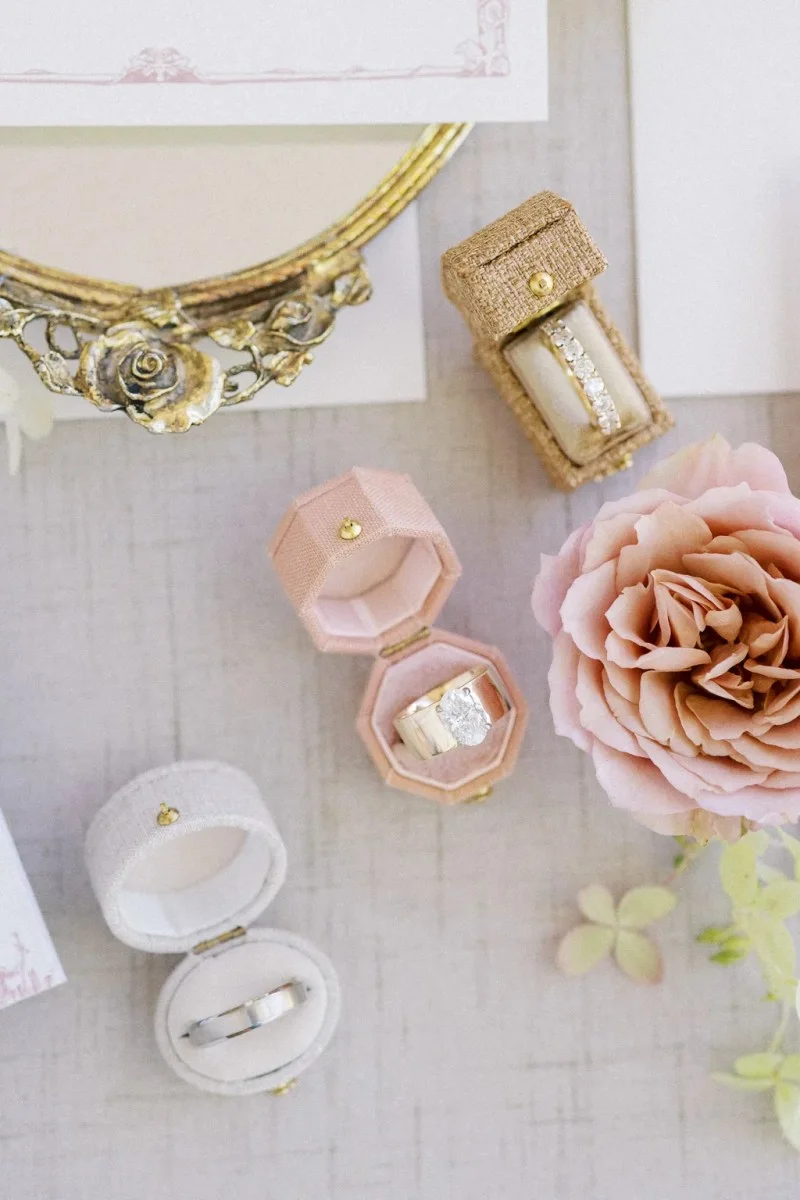
Start with what you can afford, then build the design around what your partner values. A thoughtful choice can come from a smaller stone, a different gemstone, a particular setting or a ring you choose together. For more shopping guidance, see 15 Must-Read Engagement Ring Shopping Tips.