Sample No. 0081
Princess Diana’s Engagement Suit: The Boutique Mix-Up Behind Her Royal Blue Look
Diana’s off-the-rack Cojana suit became an engagement-day style landmark after a mistaken identity sent her from Bellville Sassoon to Harrods.
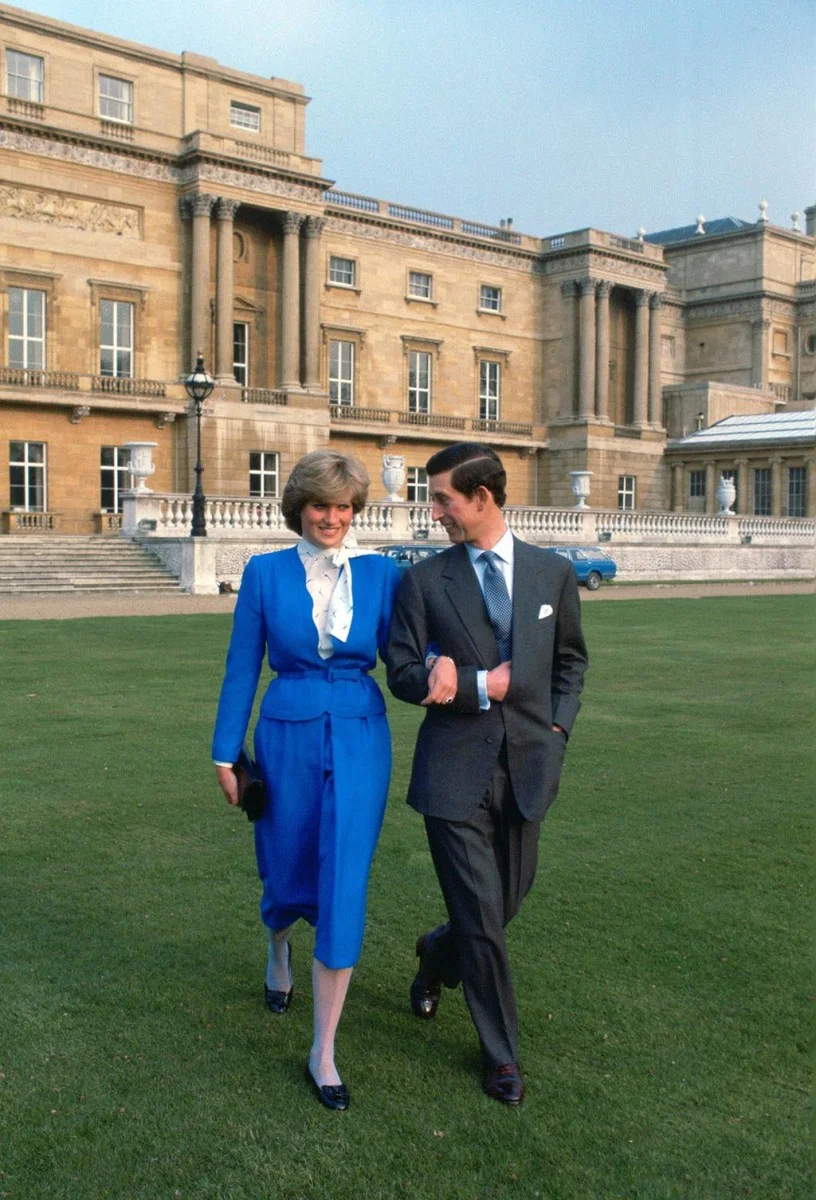
Princess Diana’s engagement-day outfit is remembered for its sharp royal-blue tailoring and its match with her sapphire ring. But the story behind the suit began with a shopping trip that went wrong: at Bellville Sassoon, an assistant failed to recognise Diana and directed her elsewhere. The episode offers a telling glimpse of the route to a look that became one of her most recognisable early public outfits.
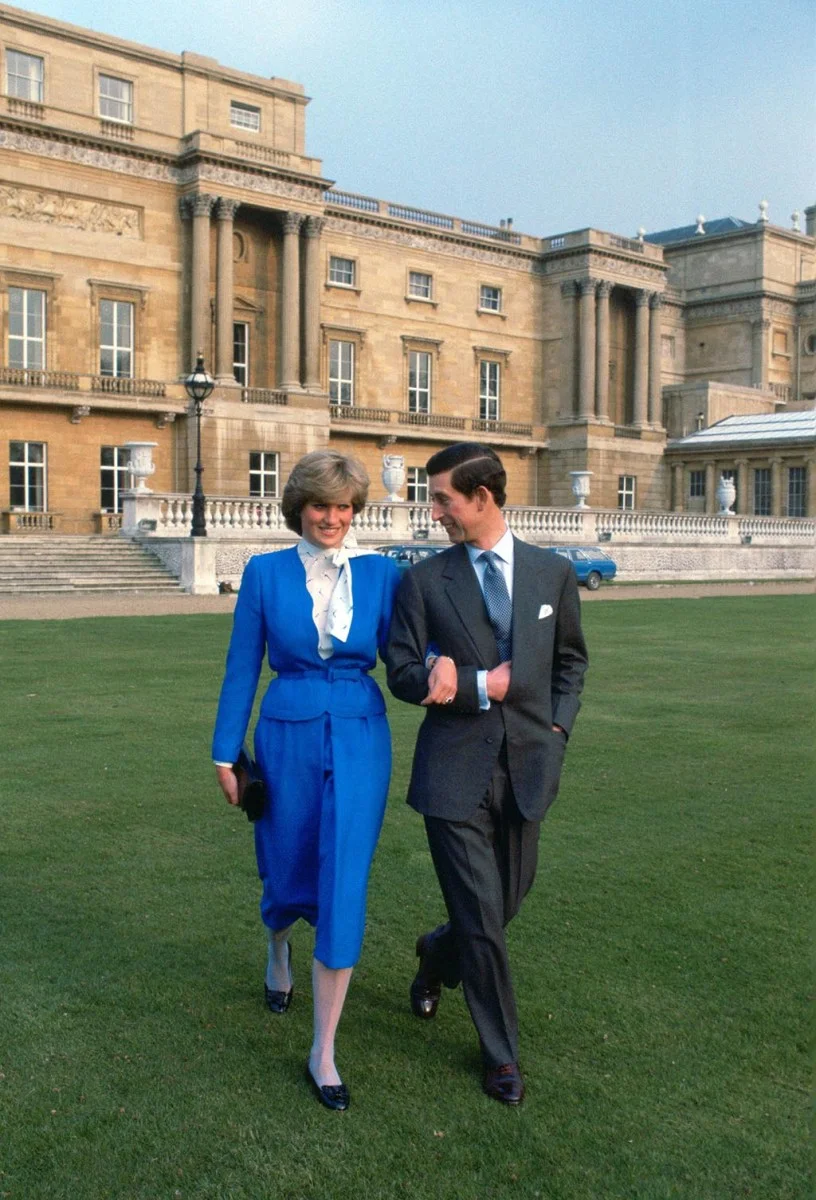
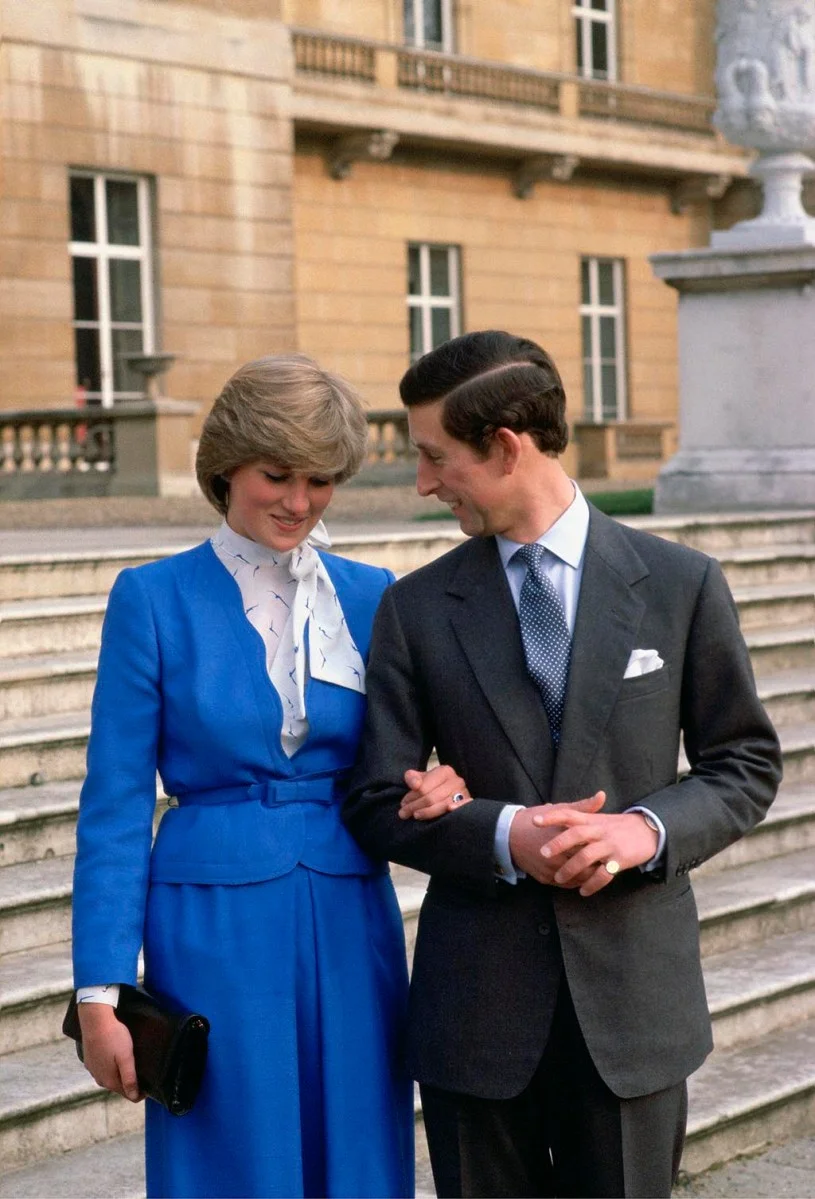
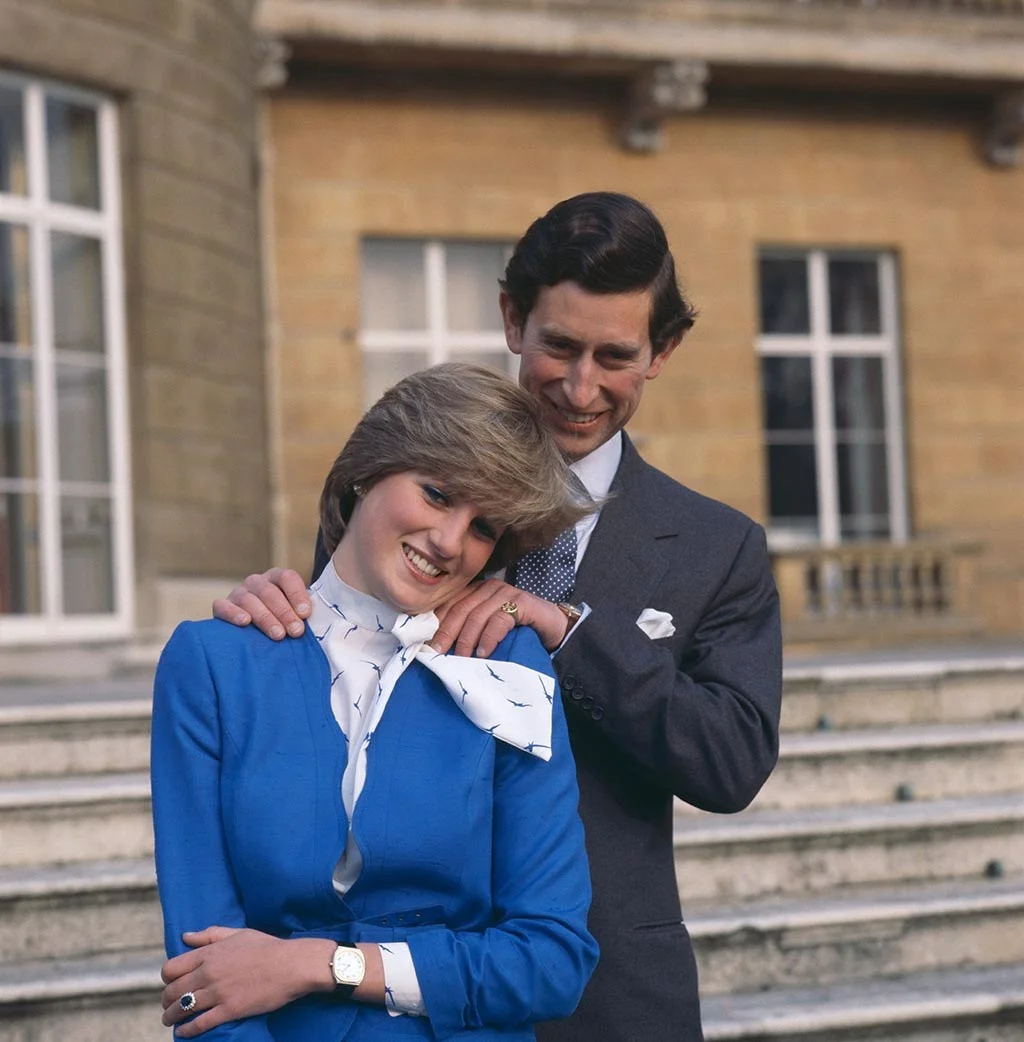
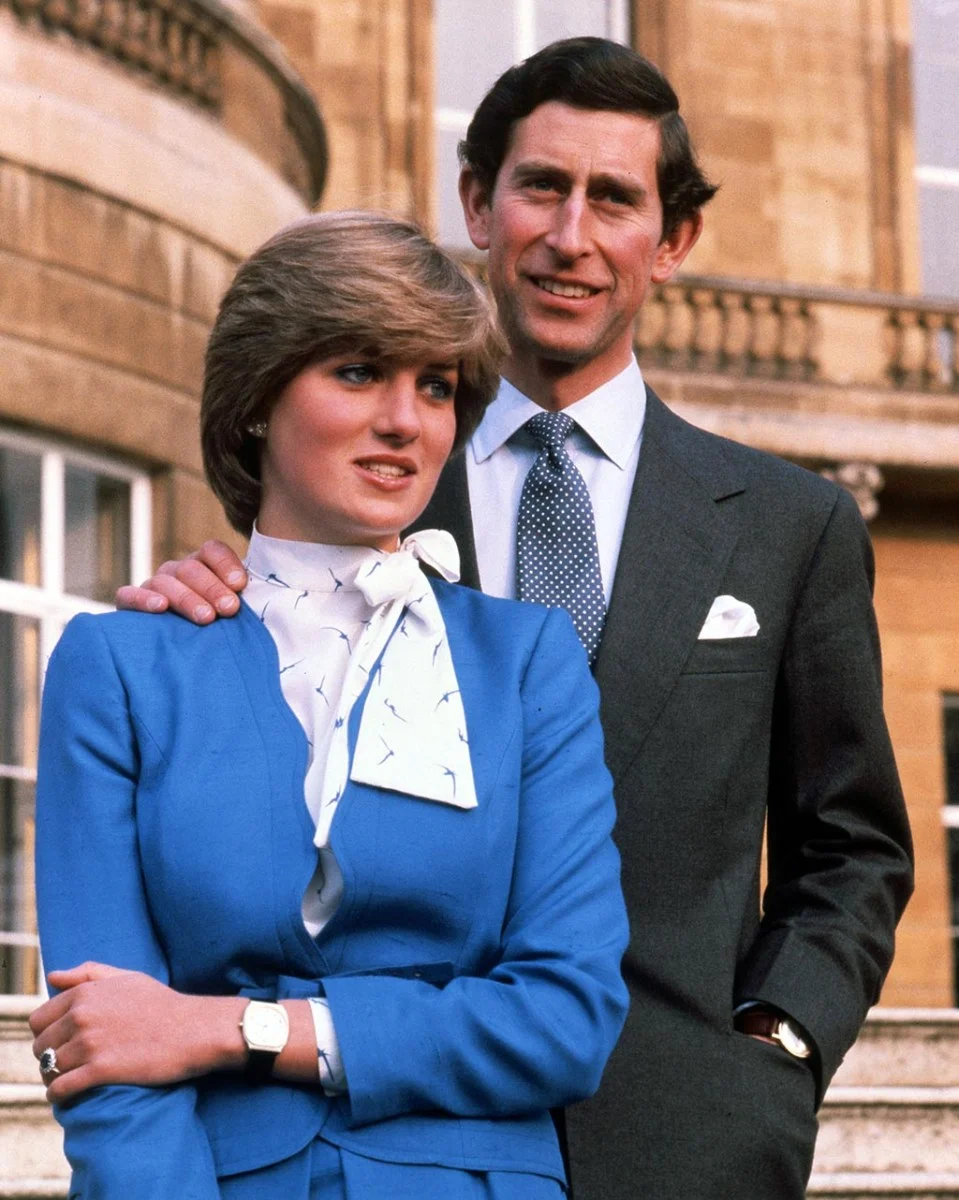
Diana made her engagement to Prince Charles official on February 3, 1981, wearing a ready-to-wear skirt suit by Cojana, reportedly bought at Harrods. Its vivid blue shade echoed the sapphire engagement ring, connecting two highly visible pieces without requiring a custom outfit. For couples planning engagement portraits or a public announcement of their own, the practical point is simple: a coordinated look can feel deliberate without needing every element to be made specifically for the occasion.
The sapphire ring has a story of its own, but the suit deserves attention as more than a backdrop. It was an early example of Diana’s preference for structured suiting, with a strong colour that read clearly in photographs. The ready-to-wear choice also makes the outfit a useful counterpoint to the idea that a high-profile moment must involve bespoke clothing. What matters on the day is whether the outfit feels right to the wearer, works for the setting and can be obtained within the available time.
A shopping trip that ended at the wrong shop
Before settling on Cojana, Diana visited Bellville Sassoon, a boutique associated with the royal family. She arrived as the shop was closing. According to curator Matthew Storey, as quoted by People, a sales assistant did not recognise the royal lady-in-waiting and suggested that she try Harrods, describing it as just around the corner. The assistant also reportedly pointed her toward a store better suited to her budget.
The exchange is sometimes framed as Diana having a “Pretty Woman” moment, but the known details are more specific than that comparison suggests: it was closing time, she wasn’t recognised, and she left without buying anything. There’s no need to inflate the encounter into a larger confrontation. Its significance lies in the contrast between the misstep and the relationship that followed. Diana returned to Bellville Sassoon and was welcomed by the designers.
Storey described how Belinda Bellville and David Sassoon felt when they learned that the future Princess of Wales had been turned away. The account resurfaced when Diana’s wedding dress was displayed at Kensington Palace for the first time in 25 years. That later exhibition brought attention back to the boutique encounter and to the designers’ place in her wardrobe.
From one suit to a wider wardrobe
Diana went on to wear many pieces by the British fashion house. One was a peach two-piece worn on her honeymoon voyage, a softer look that shows how a designer relationship can extend beyond a single formal occasion. Her wedding wardrobe was also widely admired; the engagement suit, by contrast, was a ready-made purchase from another label. Together, those details suggest a wardrobe shaped by more than one source and more than one kind of outfit.
For couples choosing what to wear for an engagement announcement, portrait session or family gathering, Diana’s experience points to a few useful planning considerations. First, check store hours before setting out, especially if the outfit is tied to a fixed date. Second, keep a backup option in mind: Diana’s eventual look came from Harrods, not the boutique she initially visited. And third, decide what matters most—colour, cut, comfort, a particular designer or a connection to another accessory—before shopping. A clear priority can make it easier to assess alternatives if the first plan falls through.
There’s also a reminder not to treat a single label as the measure of an outfit’s meaning. Bellville Sassoon became part of Diana’s style story through later pieces, while the Cojana suit was the choice she wore for the engagement occasion itself. Couples can take a similar approach: mix made-to-measure, ready-to-wear, borrowed or previously owned pieces according to their preferences and practical constraints. A thoughtful outfit doesn’t have to come from one source or follow one shopping route.
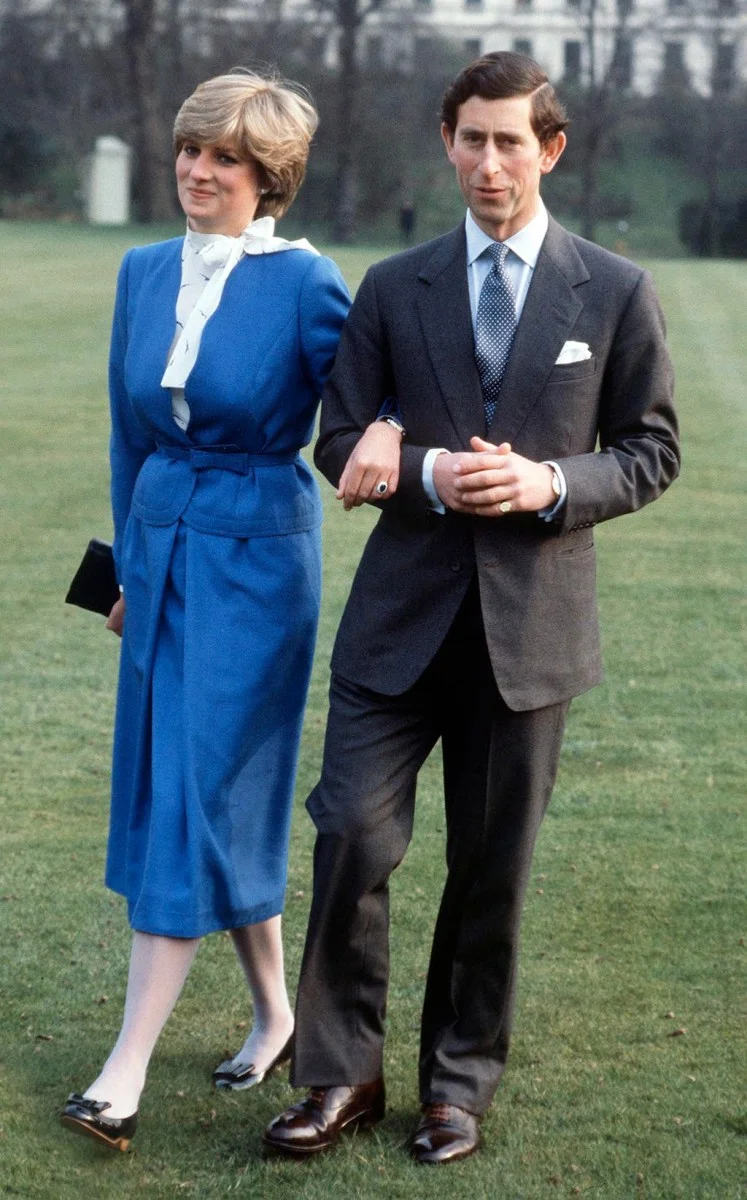
The blue suit remains memorable because it brought together a strong silhouette, a meaningful colour and a personal accessory, not because the shopping process went perfectly. Diana’s return to Bellville Sassoon also shows how an awkward first encounter need not define the longer relationship. For anyone planning a milestone look, leave room for a change of plan—and choose the outfit that works once the day arrives.
Explore more stories about memorable wedding style moments:
- Dress Drama: Why Carolyn Bessette Kennedy Was Fashionably Late to Her Own Wedding
- Old Comments Spark New Questions About Nicola Peltz Gown Claims
- Family Politics Left Jackie Kennedy's Gown "Looking Like a Lampshade"
- Keira Knightley's Friend Destroyed Her 'Something Old' Chanel Gown
- Nicky Hilton's Sudden Veil Malfunction Stopped Her in Her Tracks
For more ideas on building a personal occasion wardrobe, browse our wedding wardrobe guide.