Sample No. 0080
Engagement Ring Care: Six Habits That Protect Your Stone, Setting and Skin
Protect your engagement ring with six practical habits, from removing it at bedtime to checking its fit, cleaning it and confirming insurance cover.
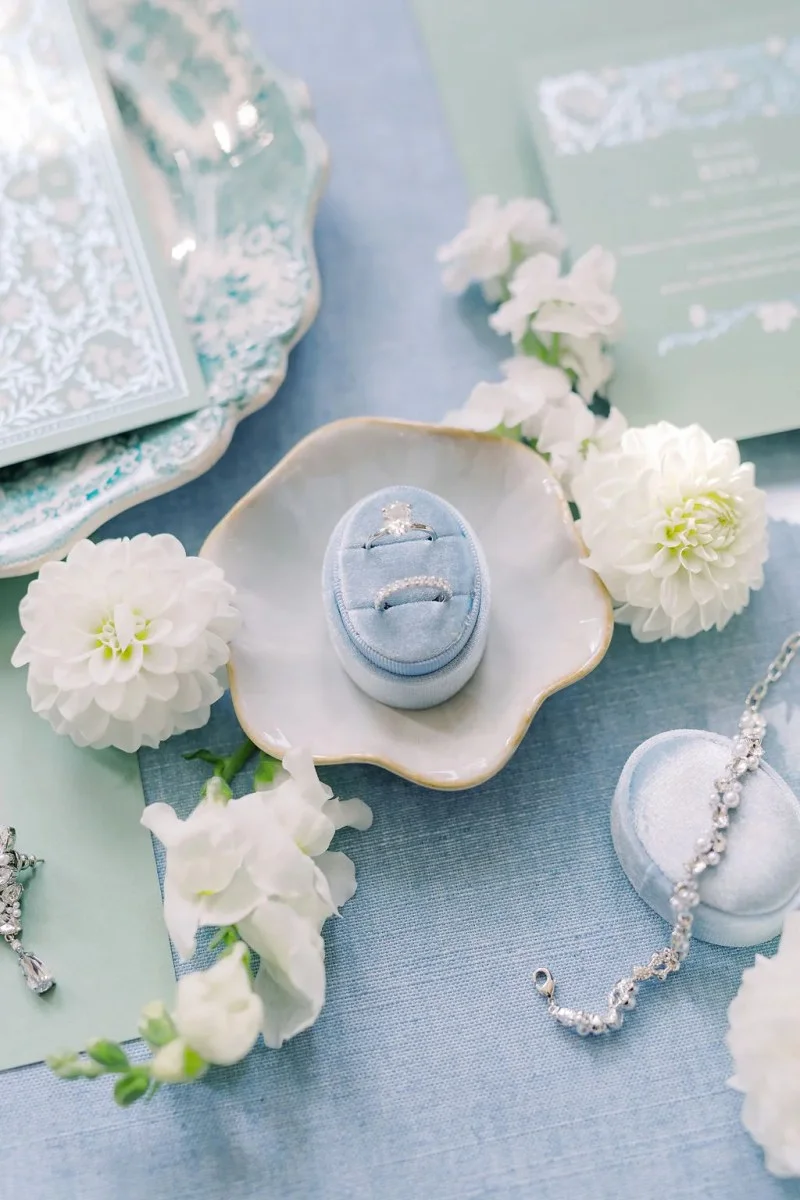
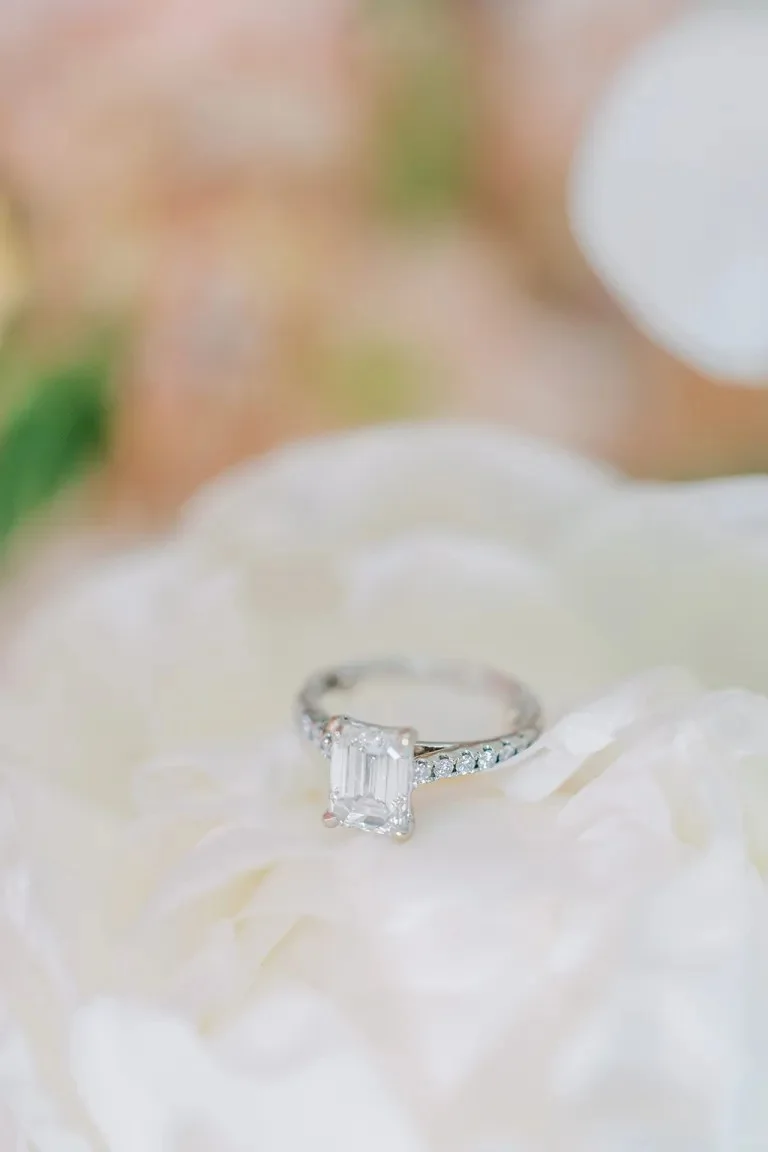
An engagement ring is designed to be worn often, but not through every activity. Sleeping, washing dishes, exercising and even skipping routine cleaning can put pressure on the stone, setting, metal and skin around it. The same advice applies to wedding rings, particularly bands with several stones or more detailed settings.
The most useful approach is simple: treat your ring as jewellery that needs breaks, cleaning and regular checks. These six habits cover the main risks and give you practical alternatives for the moments when taking it off is the safer choice.
Six engagement ring habits to change
1. Take it off before bed
Night-time movement can catch a ring’s prongs, also called claws, on sheets or blankets. That repeated pulling places stress on the setting and may loosen the structure holding the centre stone or stones. Claw damage accounts for nearly a third of engagement ring repairs, with sleeping in a ring identified as a major cause.
Before going to sleep, place the ring in a jewellery box or ring holder rather than on a bedside surface where it can easily be knocked or misplaced. This small routine can help avoid a larger repair bill. Replacing one pavé stone may cost between €50 and €300, depending on the stone’s size and quality and the complexity of the setting.
2. Don’t wear it while washing dishes
Dishwashing creates two separate problems. First, water, dead skin cells, fungus and bacteria can become trapped between the ring and your finger, causing redness, itching or contact dermatitis. Soap and dirty dishwater add more residue, which can worsen irritation and settle into the ring’s setting.
Removing the ring gives your skin time to dry and breathe while keeping detergent and food residue away from the metal and stones. Store it somewhere consistent while you work so it doesn’t end up beside the sink or in a pocket where it could be damaged.
3. Don’t let cleaning slide
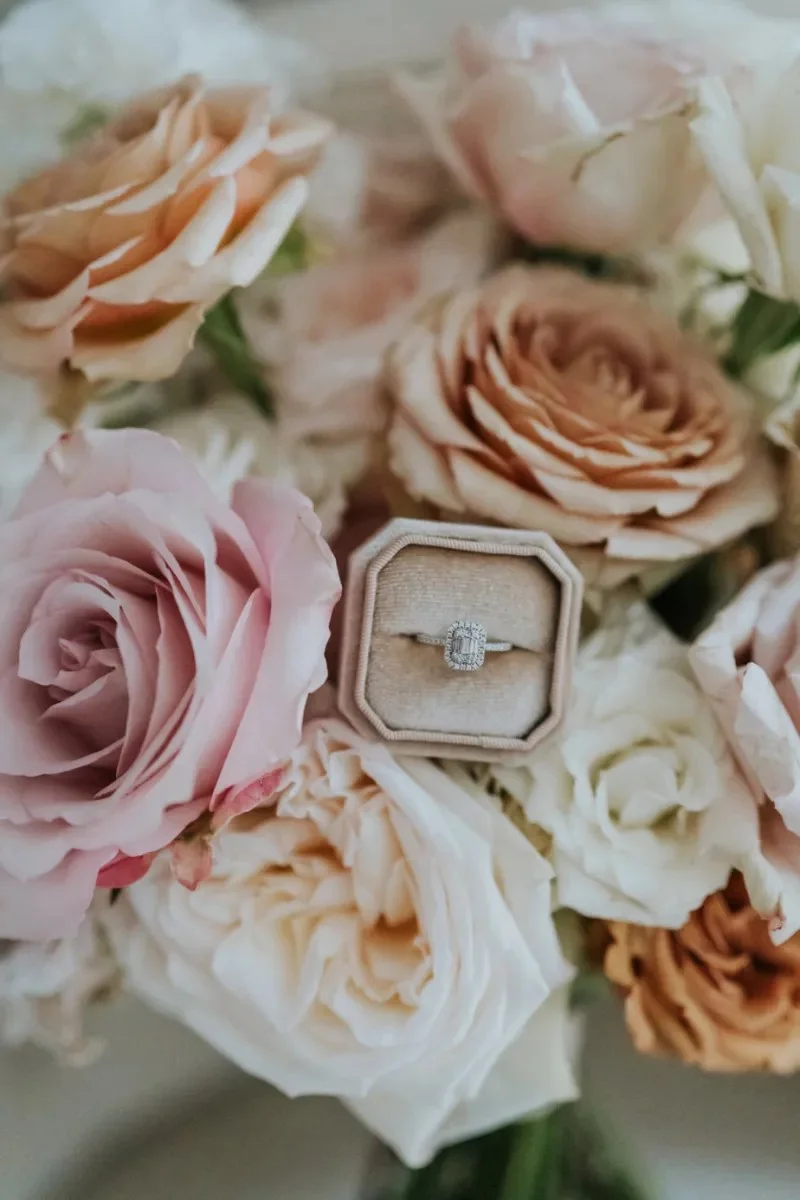
Oil, dirt and cosmetic residue gradually dull a ring. Buildup can contribute to cloudiness, discoloration and scratches on both the stone and the metal. It can also make it harder to spot a loose stone or a damaged claw during a quick inspection. Two thirds of people never clean their jewellery, so a weekly reminder is a useful place to start.
For routine home cleaning, soak the ring in warm water with a drop of mild washing-up liquid for 20 minutes. Brush it gently with a soft toothbrush, rinse it in warm water and pat it dry with a lint-free cloth. Before the wedding, arrange a professional clean so the ring looks its best in photographs. That appointment is also a good opportunity to ask for the setting to be checked.

4. Don’t assume it’s insured
Contents cover on a home insurance plan may not automatically protect an engagement ring at its full value, or when you’re wearing it outside the house. Contact your insurance provider and confirm exactly what the existing plan covers. That conversation is the only reliable way to establish whether the ring is protected indoors and away from home.
Some plans include jewellery below a specified value. If the ring exceeds that limit, it may need to be added as a specified item so it’s covered if it’s lost, stolen or damaged. Further guidance is available in this guide to insuring an engagement ring.
Check the maintenance requirements as well. Some policies are strict about “reasonable care” and may ask for records of servicing or documented upkeep. Keeping cleaning and inspection habits consistent can help you meet those requirements while looking after the ring itself.
5. Don’t wear it without a break
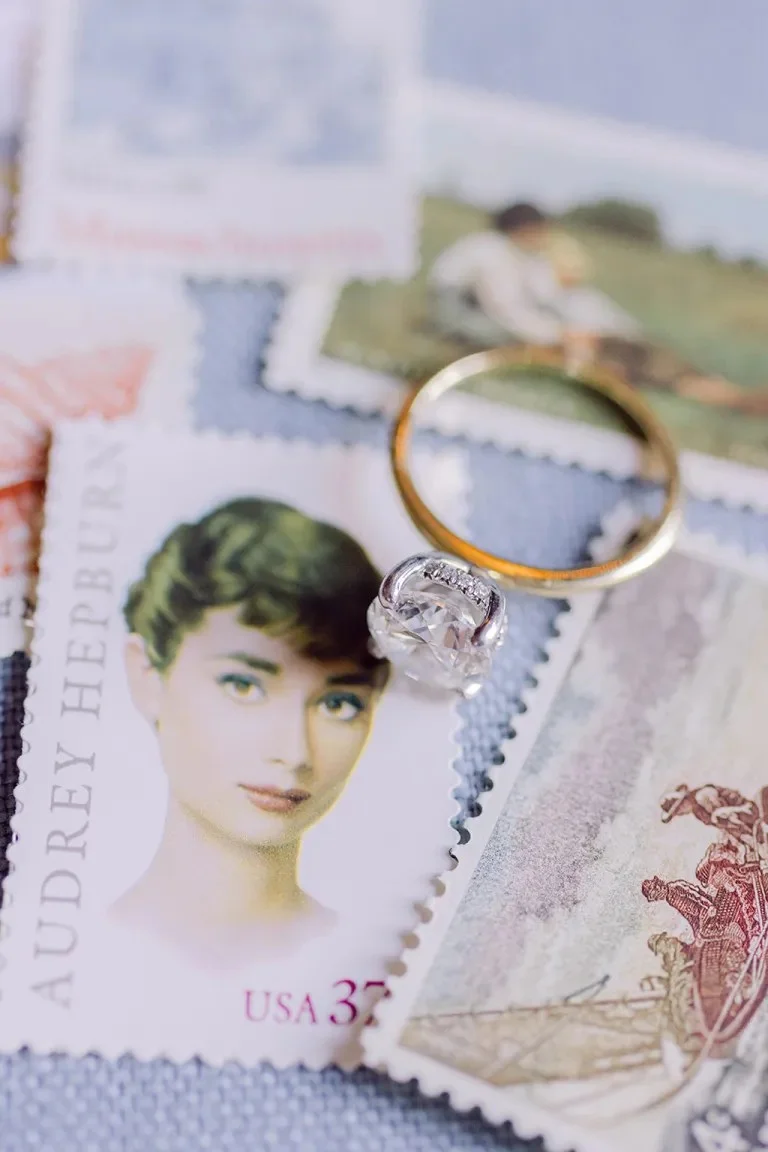
Continuous wear can affect a ring’s shape, especially when the band is thin or made from a softer metal such as gold. A circular band may gradually become oval, changing its appearance and placing extra strain on the setting. Removing it at night gives the ring regular periods without pressure.
Constant friction also contributes to metal fatigue, loose stones and surface wear. Those changes can affect the ring’s condition and may reduce its value or insurance valuation. A quick visual check during your regular cleaning routine can help you notice a change before a small issue becomes a lost stone or a larger repair.
6. Never exercise or do manual work in it
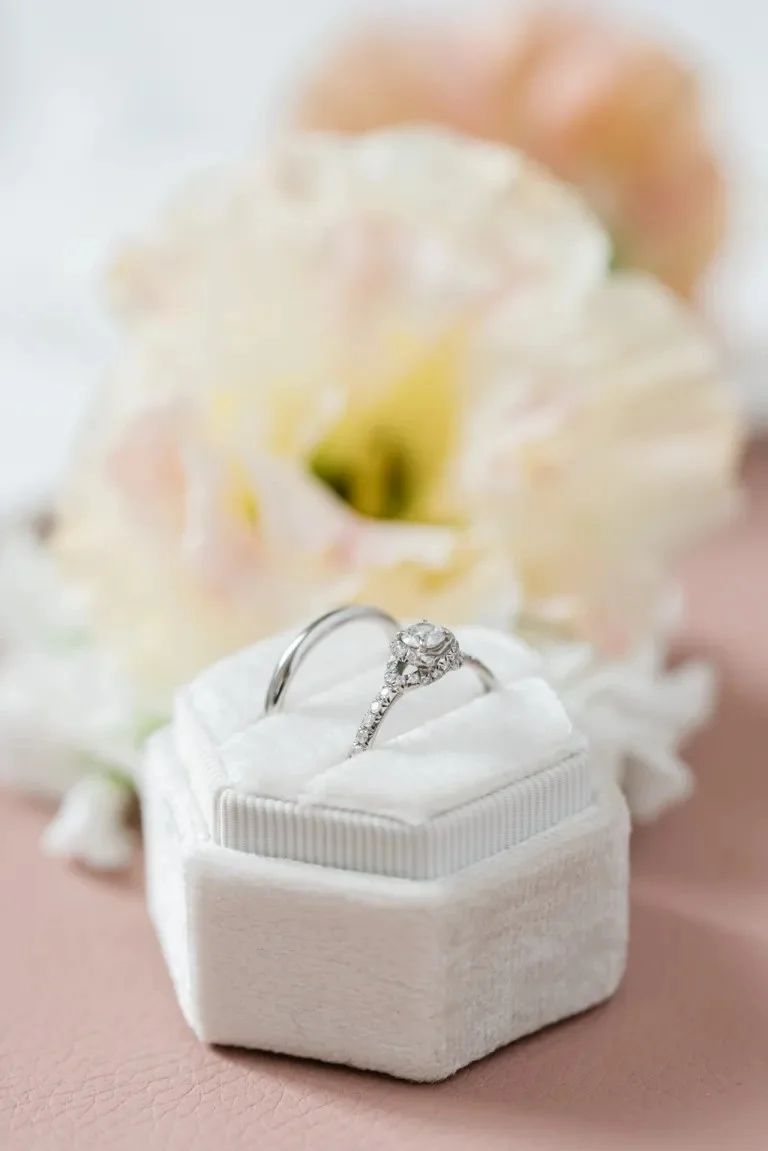
The gym presents a more serious physical risk than everyday wear. If a ring catches on equipment, it can cause finger degloving, an injury in which the skin is pulled away from the finger. A bevelled band is safer than one with straight edges, but removing the ring is the more reliable precaution.
Use a silicone ring for workouts or manual labour, or keep the jewellery in a secure holder while you’re active. Options include a pocket wrist band or a ring holder necklace. The right routine is the one you’ll follow every time: remove the ring, store it safely and put it back on when the activity is finished.
Looking to speak to an expert? See our list of fantastic jewellers for the perfect match. If you're wondering whether to get your wedding ring engraved, we've listed the pros and cons to help you decide or you'll find unique wedding ring inscription ideas here.