Sample No. 0091
A Practical Honeymoon Destination Guide: Budget, Timing and Travel Style
Narrow your honeymoon shortlist by budget, available days, travel season and the kind of trip you both want.
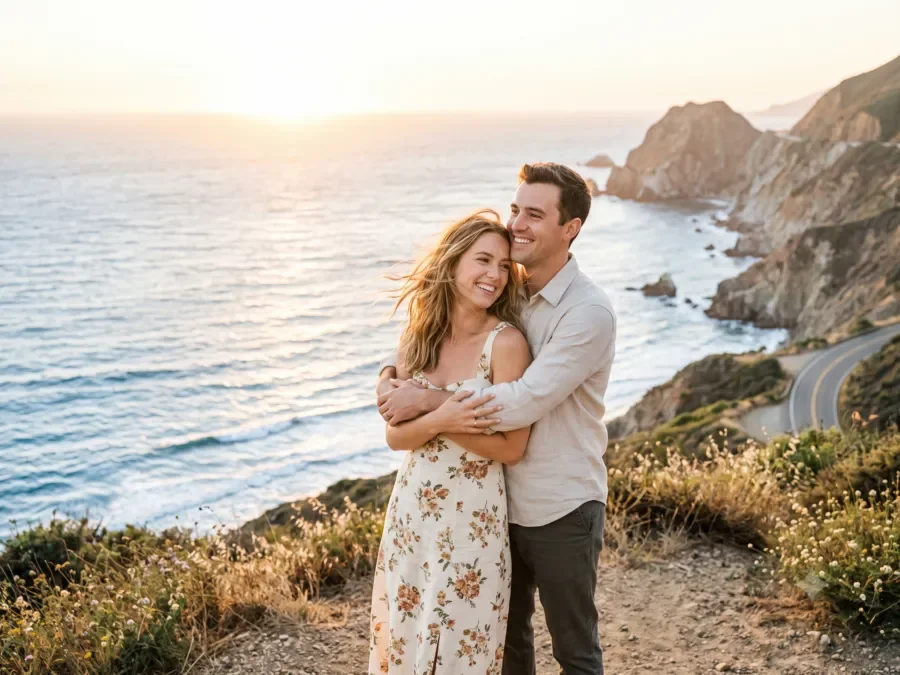
Choosing a honeymoon destination gets easier when you stop comparing the whole world at once. Start with the limits that matter—what you can spend, how long you can travel and when you’ll go—then use your preferred pace and activities to build a shortlist. That approach can replace endless browsing with a decision grounded in the trip you can actually take.
It’s common to reach honeymoon planning with little energy left for another big choice. Wedding plans may have involved decisions about the venue, guest list, flowers, food and music; now the destination list seems nearly limitless. More browsing doesn’t necessarily help. A few useful questions, answered in sequence, can do more to narrow the field than another list of “best” places.
For more ideas on keeping the process manageable, see these tips for stress-free honeymoon planning. The first step, though, is deciding what fits your circumstances.
Set the practical boundaries first
Decide what you can spend
Begin with the amount that makes sense after wedding costs—not a figure based on what a honeymoon is supposedly meant to cost or what someone else spent. Treat the trip as a separate budget line, so wedding expenses don’t quietly absorb the money you meant to set aside for travel.
A clear spending limit can remove destinations that aren’t realistic before you invest time imagining the trip. If you’re unsure where your budget sits, review information about average honeymoon costs. And if controlling the total is a concern, consider these ways to avoid overspending before making plans.
Count the days you’ll actually have
Take a close look at your available time off, then subtract the days spent getting to and from your destination. A four-day break and a two-week trip call for different choices. A destination that requires a 14-hour flight can use up nearly a full day in each direction, leaving less time to enjoy the place once you arrive.

For a long weekend, a closer and simpler trip may give you more time to relax than a faraway destination. A longer journey can still be a good fit when you have enough days to settle in and enjoy it, rather than spending a large share of the trip recovering from travel.
Check the season for your dates
A place that looks appealing in a photograph may not suit the particular weeks you’ll be there. Some beach areas face hurricane season at certain times; other destinations have especially rainy months. Even where weather isn’t extreme, high and low seasons can bring major differences in prices and crowd levels.
Look up conditions for your actual travel window before settling on a destination. The point isn’t to rule out every place with a seasonal drawback, but to know what you’re choosing. The same destination can feel quite different depending on when you visit, and your plans should reflect that.
Match the destination to your preferred pace
Once you’ve set a budget, travel duration and date range, ask what you’d like your days to involve. Some couples want quiet and little scheduling; others want outdoor challenges, city exploring or a resort where most arrangements are handled for them. Many want a mix. Use these categories as starting points, not fixed labels.
Beach time and relaxation
This style is about an unhurried pace: slow mornings, time by the water and few commitments. The destination matters, but so does the freedom to decompress after months of wedding planning.

- Popular options: Maldives, Turks and Caicos, Riviera Maya (Mexico), Hawaii, Greece and Bali.
- Quieter alternatives: Koh Lanta in Thailand, a less bustling option than Phuket, and Isla Holbox in Mexico.
- Closer to home: Siesta Key, Florida; San Diego, California; and Cape Cod, Massachusetts.
Adventure and the outdoors
For couples who’d rather hike, dive, explore or take in the outdoors than spend the day beside a pool, an active trip may feel more rewarding. These itineraries can take extra preparation for permits, equipment and guides. Make sure the time you have allows for those activities as well as travel.
- Popular options: Costa Rica, New Zealand, Iceland and Banff, Canada.
- Less typical choices: Slovenia’s Julian Alps and Lake Bled; South Africa for safari and winelands; and Patagonia in Argentina and Chile.
- Closer to home: Sedona, Arizona; the Oregon Coast; and Jackson Hole, Wyoming.
Culture and city exploring
Some couples would rather spend their time wandering streets, sampling local food and visiting museums than settle into a beach routine. A city-focused trip can offer architecture, markets and busy days, with evenings out and plenty to remember beyond the hotel.
- Popular options: Italy, including Rome, Florence and the Amalfi Coast; Japan, including Tokyo and Kyoto; Paris; Portugal; and Spain.
- Less typical choices: Marrakech, Morocco; Oaxaca, Mexico; Hoi An, Vietnam; and Cappadocia, Turkey.
- Closer to home: New York City; Nashville, Tennessee; Santa Fe, New Mexico; Charleston, South Carolina; and Napa, California.
All-inclusive and low-effort stays
After months of coordinating wedding details, some couples want a trip that asks them to make fewer decisions. An all-inclusive stay can bring meals, drinks and activities together in one place, reducing day-to-day logistics. Compare what each package includes rather than assuming all resorts offer the same experience. These affordable-luxury honeymoon destinations may offer a useful place to start.
- Popular options: Punta Cana in the Dominican Republic; Jamaica; Cancun and Riviera Maya in Mexico; and the Bahamas.
- Less typical choices: Zanzibar, Tanzania; Huatulco, Mexico, which is less built-up than Cancun; and safari in South Africa.
- Closer to home: The Florida Keys, Las Vegas and Hawaii.
Build a trip that works for both of you
Many couples don’t fit one travel style neatly. One may want a few quiet beach days alongside some sightseeing; another might hope for a full week of activity. Different preferences aren’t a sign that you’re poorly matched. They’re a practical detail to plan around. Aim for an itinerary that gives each person time for what they enjoy.
Consider a two-part trip
Instead of searching for one destination that meets every preference at every moment, divide the trip into two distinct stretches. Pair a city stay with time on the coast, or follow several active days with a resort break. Rome and the Amalfi Coast offer one example; Cape Town followed by a safari is another.
This structure can give both people the experience they wanted without asking either to treat the other’s preference as an inconvenience. Check the travel between stops, though: the extra transfer needs to fit your schedule and budget.
Look for places that offer more than one kind of day
Before planning separate stops, see whether a single destination can cover both of your priorities. Hawaii can combine beach time with hiking and snorkeling. In Greece, couples can pair time by the water with cultural exploring, including scooter trips. Thailand and other parts of Southeast Asia can mix temples and street food with jungle trekking or beach-hopping. In Tulum, cenotes and Mayan ruins are a short drive from the coast.
A destination that supports different activities may keep the itinerary simpler than a multi-stop journey. Make a short list of each person’s must-haves, then compare destinations against both lists.
Know when to ask for help
If repeated discussions leave you both frustrated, it may be time to bring in an outside perspective. A planner can hear each person’s priorities and suggest a trip neither of you would have found alone. That can be useful when the destination search has become another drawn-out task during an already busy planning period.
A planner can help with the final decisions
Some couples can narrow the options but still feel uncertain about choosing an itinerary, flights and places to stay. Others simply don’t want to spend more evenings comparing routes and activities. A custom honeymoon planner is one possible way to get help with those details; it isn’t a requirement, and couples can decide whether the service suits their needs and budget.
The source identifies Itineraries by Amanda as a custom planning service. Its description says Amanda builds itineraries around clients’ dates, travel style and budget, with day-to-day plans, restaurant and activity suggestions, and flights and hotels booked and confirmed. It also describes a complimentary consultation for BSB readers. Couples interested in that option can review the service details and decide whether to inquire.
Whether you plan independently or seek help, the most useful next move is the same: write down your budget, available days, travel dates and each person’s top priorities. Then compare only destinations that fit those boundaries. A focused shortlist is easier to discuss—and much more likely to lead to a honeymoon that feels like yours.