Sample No. 0083
Newly Engaged? 12 Ways to Enjoy the Moment Before Planning
Set gentle expectations, pause big decisions and celebrate first. These practical reminders help newly engaged couples start planning on their own terms.
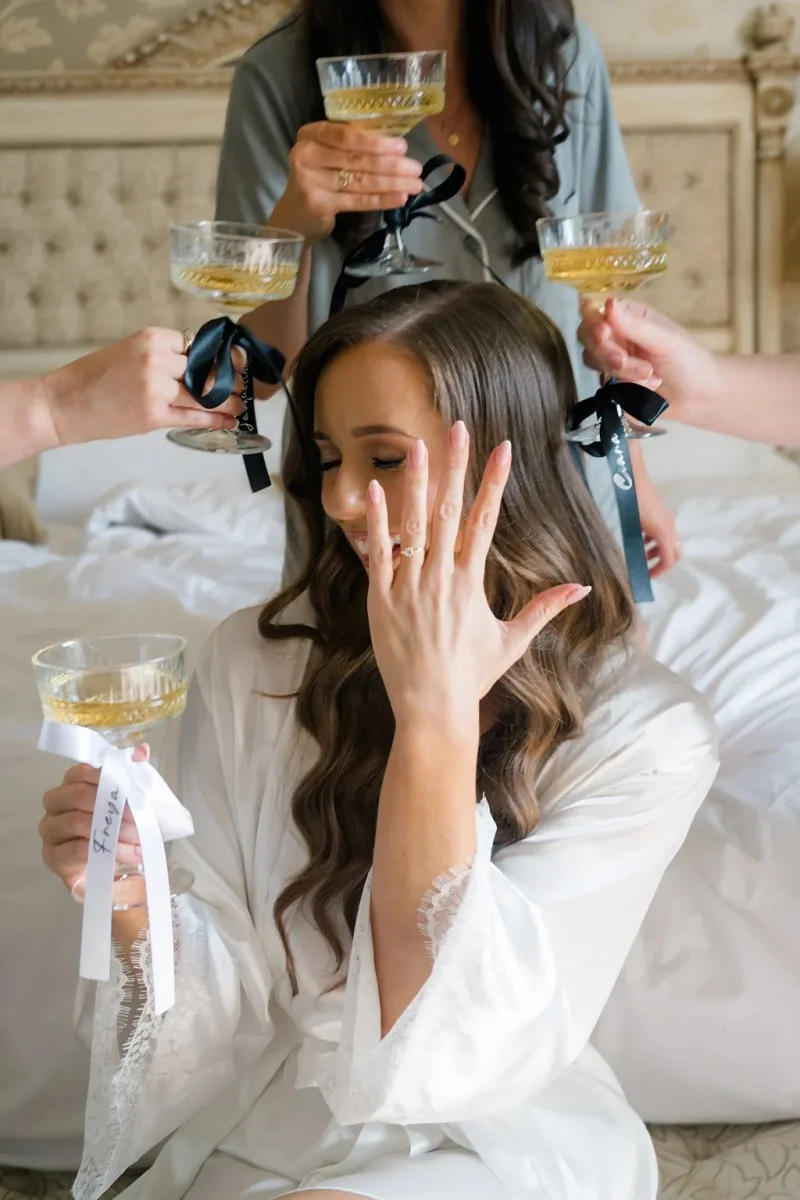
An engagement can bring a rush of congratulations—and a rush of suggestions about venues, guest lists and wedding style. Before that excitement turns into commitments, give yourselves room to enjoy the news and decide what matters to you. A few calm boundaries now can make later planning feel more considered, whether you’re picturing a small gathering, a big celebration or something in between.
There’s no single right way to share your news or plan a wedding. The useful starting point is to choose what you’re ready to discuss, and what can wait. Here are twelve reminders for the early days of being engaged.
Share the news in your own order
1. Don’t post before telling the people closest to you
Sharing an engagement online can be joyful, but a social post may reach relatives and friends before you’ve had a chance to tell them personally. Where possible, tell close family and friends in person first. If that isn’t practical, a call or message to the people who matter most can help ensure they hear the news from you before it appears on Instagram or elsewhere.
There’s no need to keep your happiness quiet indefinitely. Just decide together who you want to contact directly, then share more widely when you’re ready. For ideas on announcing your news, see just engaged and ring selfie inspiration.
2. Don’t promise plans you haven’t made
People may quickly suggest a church ceremony, a garden celebration, a particular guest list or even a season for the wedding. You don’t need to accept every idea—or settle details before you’ve had a chance to talk together. In the first few weeks, avoid committing to specific plans.
A prepared, friendly answer can make those conversations easier: “We haven’t booked anything yet, but we know we want something small and casual.” Adapt it to your own preferences. The point is to share a general direction without promising a date, venue or format you may later reconsider.
3. Don’t treat every suggestion as an instruction
Unsolicited advice often comes from a generous place, and some of it may prove helpful. Listen without feeling obliged to adopt every suggestion. A simple “Thanks, I’ll keep that in mind” acknowledges the thought and lets you move on. You can take time to consider ideas privately before deciding whether they suit your priorities.

Give the big decisions time
4. Don’t ask your wedding party immediately
You may already have a shortlist of people you’d like beside you, but wait before making formal requests. The size and style of the wedding, the length of your engagement and the budget can all affect the eventual wedding party. Your relationships may also change over time, and someone who feels like the obvious choice today may not feel as fitting later.
Pausing can spare you the awkwardness of changing plans after asking. When you’re ready, think about who you want in each role and what you’re asking of them. For more guidance on choosing, read how to choose your bridesmaids wisely.
5. Don’t invite guests before you’ve shaped the list
Excited conversations can lead to casual promises to invite colleagues, extended family or old school friends. Others may assume they’re included without being asked. Keep your answers open until you and your partner have worked through the guest list together. It’s much easier to make thoughtful choices before anyone is expecting an invitation.
For now, you can say that you haven’t decided on the guest list. That leaves room to weigh up the kind of gathering you want and the people you’d most like to share it with. See more advice on building a wedding guest list.
6. Don’t book a venue or suppliers before you know what you want
Looking at venues and suppliers can be part of the fun, but booking is a different step: it begins narrowing your options and brings practical decisions into focus. Give yourselves time to picture the day, discuss priorities and consider how you want to spend your budget before making commitments. A few weeks—or even months—of dreaming and gathering ideas can help you make choices that fit.
When you’re ready to take the first planning steps, start with a clearer sense of the celebration you want. Explore venues, suppliers and getting started with wedding planning without feeling you have to book anything on the spot.
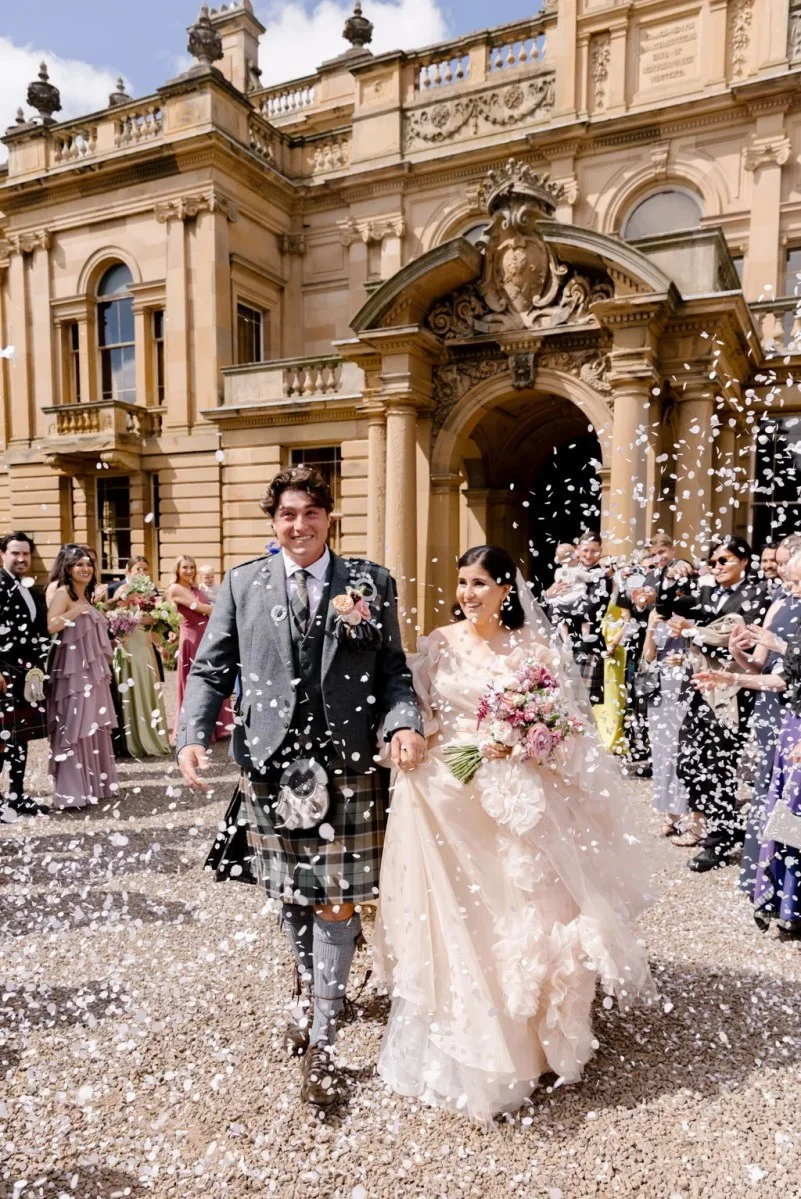
7. Don’t buy a dress before considering your plans and budget
It can be tempting to book a boutique appointment right away, but first think about the kind of wedding you’re planning and what you can afford. A dress bought early may no longer feel like the right choice as your plans develop; you may also encounter other styles you prefer. There’s no need to rush into shopping before you have a sense of your priorities.
When you’re ready to look, consider the full cost alongside the style you love. Browse wedding dresses, find bridal boutiques and read about dress costs.
Look after yourselves as well as the plans
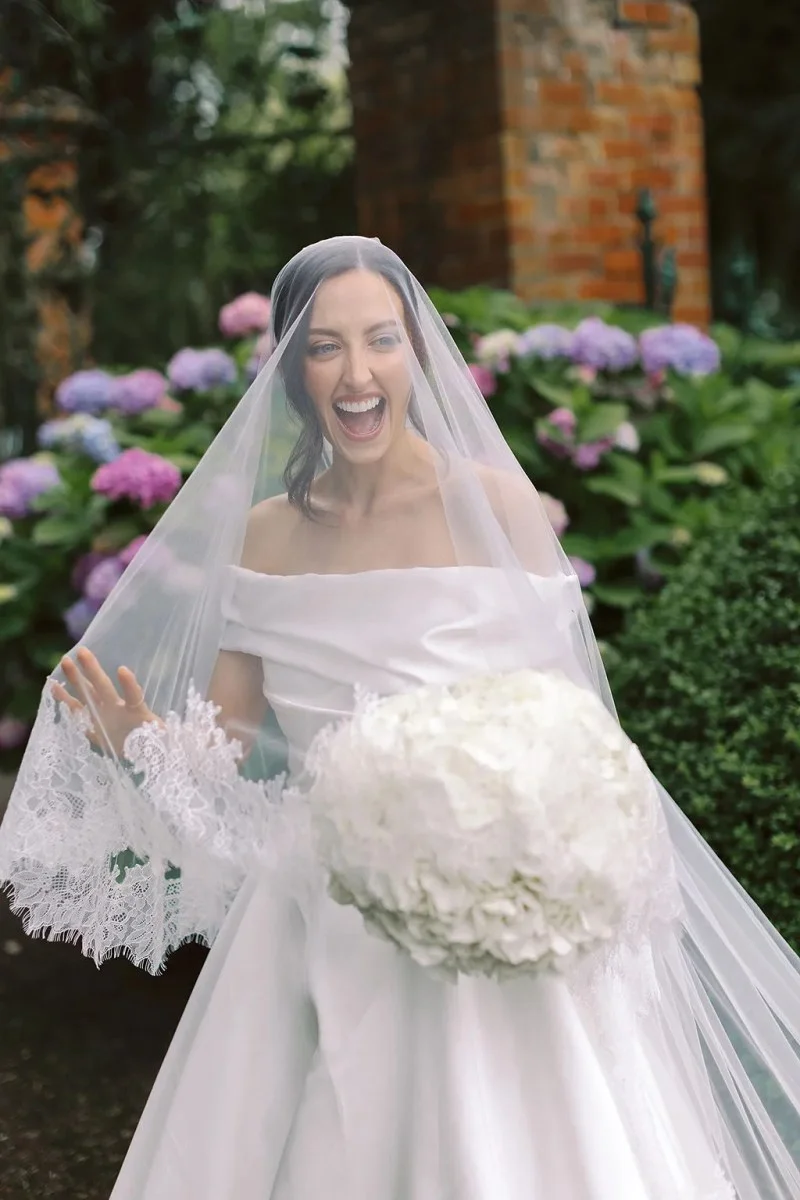
8. Don’t let the planning overwhelm the engagement
Whether you’ve been imagining a wedding for years or the proposal came as a surprise, the prospect of planning can feel like a lot. You don’t have to solve every detail at once, and the celebration can be as elaborate or as simple as you want. If a traditional wedding doesn’t feel right, eloping is another possibility.
Take planning one decision at a time, and talk openly about money and expectations. If worry is taking over, look for practical ways to reduce wedding planning stress rather than trying to manage every detail in a single sitting.
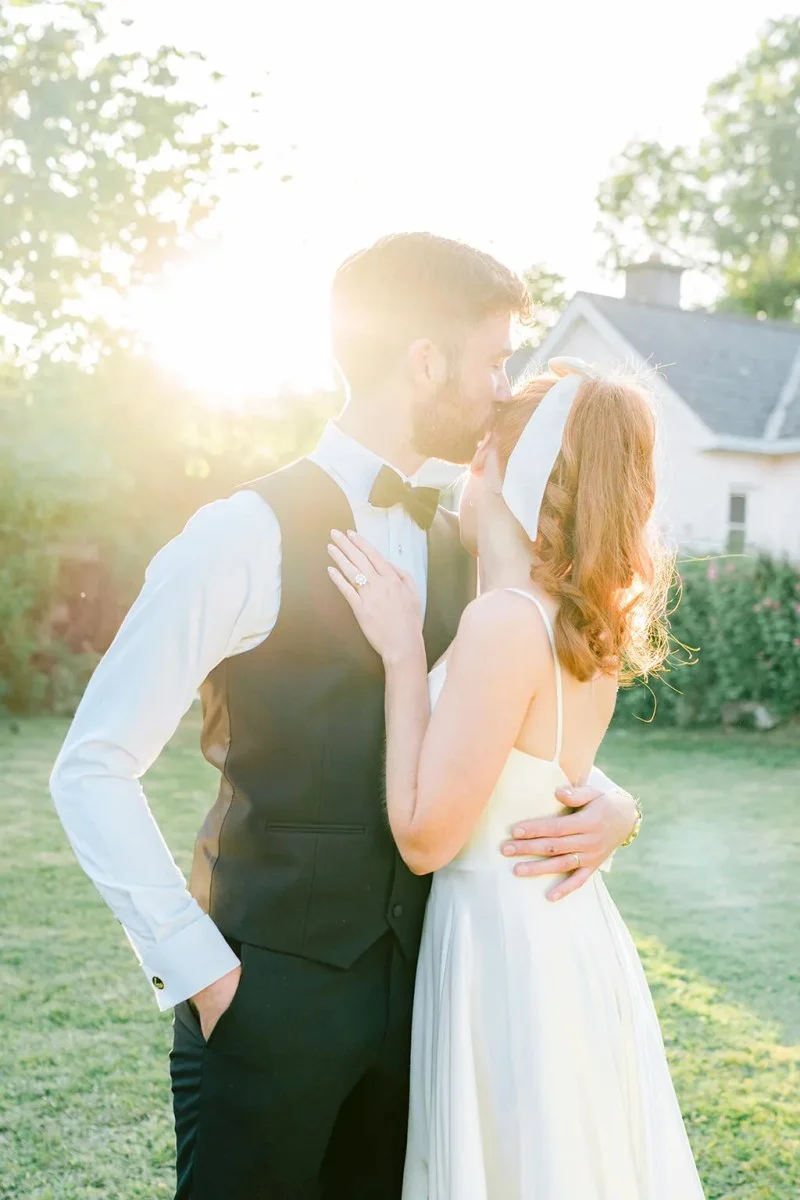
9. Don’t assume you need to change your appearance
Getting married doesn’t require a diet, cosmetic procedure or makeover. It’s understandable to want to feel comfortable and confident on the day, but you don’t need to change your body to deserve a wedding celebration. Resist pressure—whether it comes from other people or from wedding imagery—to make changes you don’t want. Your plans should make room for you as you are.
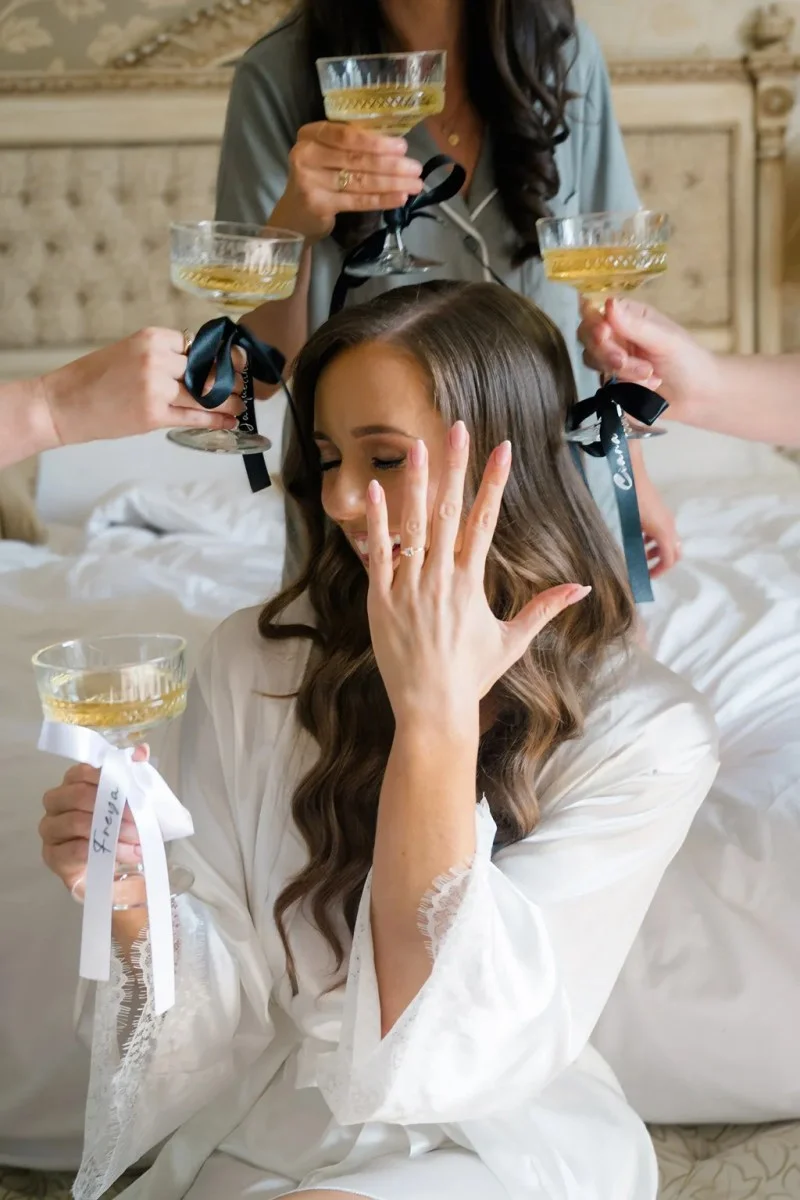
10. Don’t overlook the ring’s fit
Before wearing an engagement ring regularly, check that it fits securely and comfortably. A ring that’s too loose may be lost or damaged; one that’s too tight can hurt your finger. If the fit isn’t right, arrange to have it resized before wearing it. The source notes this can take a day or two. You can also read about protecting an engagement ring.
11. Don’t forget to thank people for gifts
Cards and presents can arrive soon after the engagement, and keeping track as they come in saves guesswork later. Make a list of who sent what, then send a thank-you card or message within about six to eight weeks. It’s a thoughtful way to acknowledge each gift and a useful habit to carry into the wedding period. Find ideas for wedding thank-you cards.
12. Don’t skip celebrating
Planning can wait long enough for you to enjoy being engaged. Get together with loved ones, take a weekend away or simply mark the moment in a way that feels like you. Give yourselves a few weeks to settle into the news before turning to budgets, venue visits and tastings. Then begin planning at a pace that leaves space for both the practical decisions and the happiness that started it all.
More reading for newly engaged couples
- Your First Steps in Wedding Planning
- The Ultimate Wedding Checklist
- Why Are Weddings so Expensive
- How to Work Out Your Wedding Budget
- 39 Ways to Save on the Cost of Your Wedding
For more tips, follow One Fab Day on Instagram or subscribe to the newsletter.