Sample No. 0203
Wedding Veil Lengths: A Practical Guide to Sizes, Fit and Venue
Compare fingertip, chapel, cathedral and royal veils, then use your hairstyle, gown, height and venue to find a length that feels right.
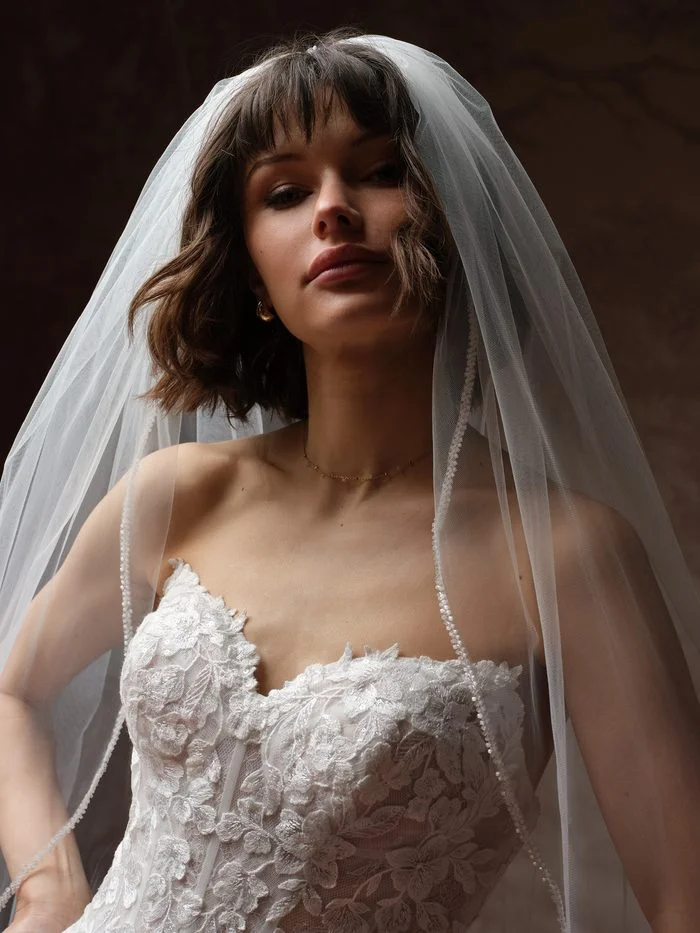
A veil’s length changes the feel of a bridal look and how it moves through the day. A fingertip style can keep things light and easy to manage; a cathedral or royal veil brings a longer train and more drama. The right choice depends on the effect you want, along with your gown, hairstyle, proportions and venue. These measurements offer a starting point, not a set of rules.
For more inspiration, browse wedding veils or read Which Bridal Veil Is Right For You?.
Compare popular veil lengths
Veil length is measured from the comb in your hair to the end of the fabric. The same measurement may fall differently depending on your height, hairstyle and comb placement. Your gown’s silhouette and train also affect the overall proportions.
| Style | Approximate length | Typical fall | Often suits |
|---|---|---|---|
| Fingertip | 36–46 inches | Near your fingertips when your arms rest at your sides | A wide range of dresses and venues |
| Chapel | 90–110 inches | Just past the floor | A soft sweep for a classic ceremony |
| Cathedral | 108–120 inches | Well beyond the gown’s train | Long aisles, churches and formal venues |
| Royal | 120–160 inches or longer | Far beyond the gown’s train | A grand entrance or a long aisle |
A blusher is a short layer that can be drawn over the face during the ceremony. It’s a design feature, rather than a separate length, and may be paired with different veil styles.
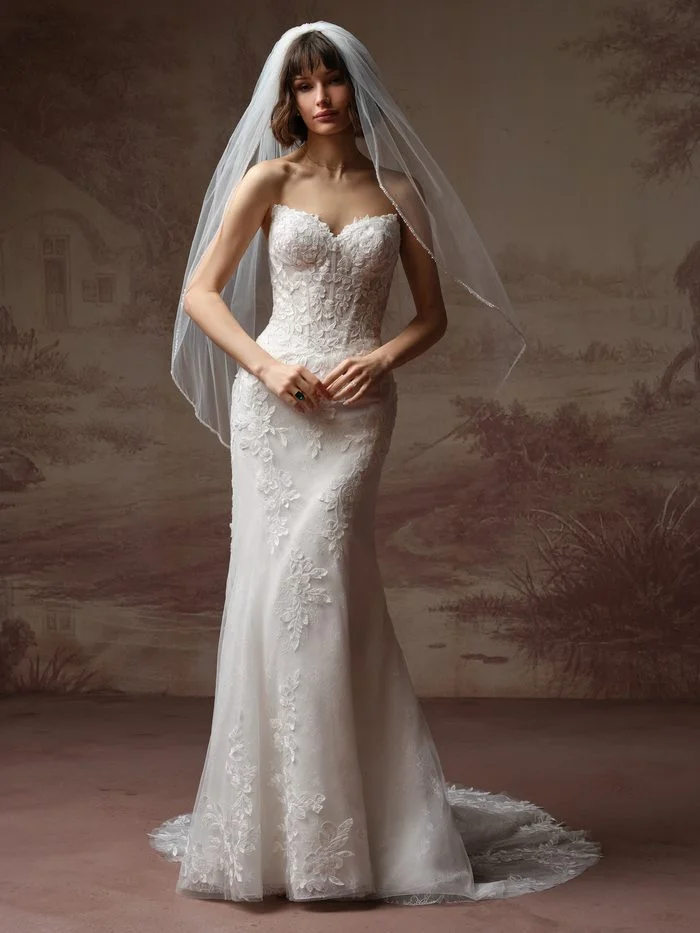
Measure with your hairstyle and shoes in mind
At-home measurements can help you narrow your options, but trying on a veil with your gown gives you a better sense of how the pieces work together. Before measuring, decide where you expect the comb to sit. A high bun, low chignon, half-up style or loose waves can each put it in a different position.
- Choose a hairstyle direction. You don’t need every detail finalized, but think about whether your hair will be up, partly up or down. That choice helps establish the comb’s likely position.
- Set the measuring tape at the comb placement. Use a flexible tape and start where the comb is expected to sit, such as at the crown, behind an updo or underneath a bun.
- Estimate a fingertip length. Stand naturally with your arms relaxed and measure from the comb position to your fingertips. The result is a useful guide; proportions and veil construction can affect where the finished piece falls.
- Estimate a longer length. For chapel, cathedral or royal styles, measure from the comb position to the floor. Then think about how far you want the fabric to extend behind you: chapel offers a softer sweep, while cathedral and royal lengths trail farther beyond the gown’s train.
- Wear your wedding shoes. Your shoes affect your height and the veil’s relationship to your dress. Measure in your wedding shoes, or a pair with the same heel height.
A bridal stylist can help assess the length with your gown, adjust comb placement and check how the veil looks from different angles. Visit an Authorized Boutique for help comparing options.
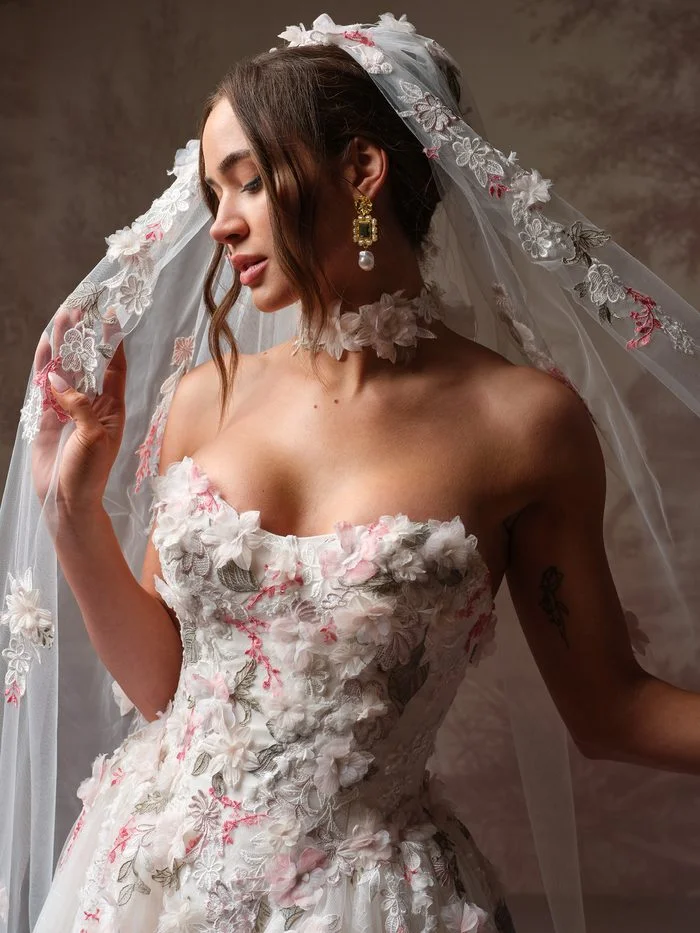
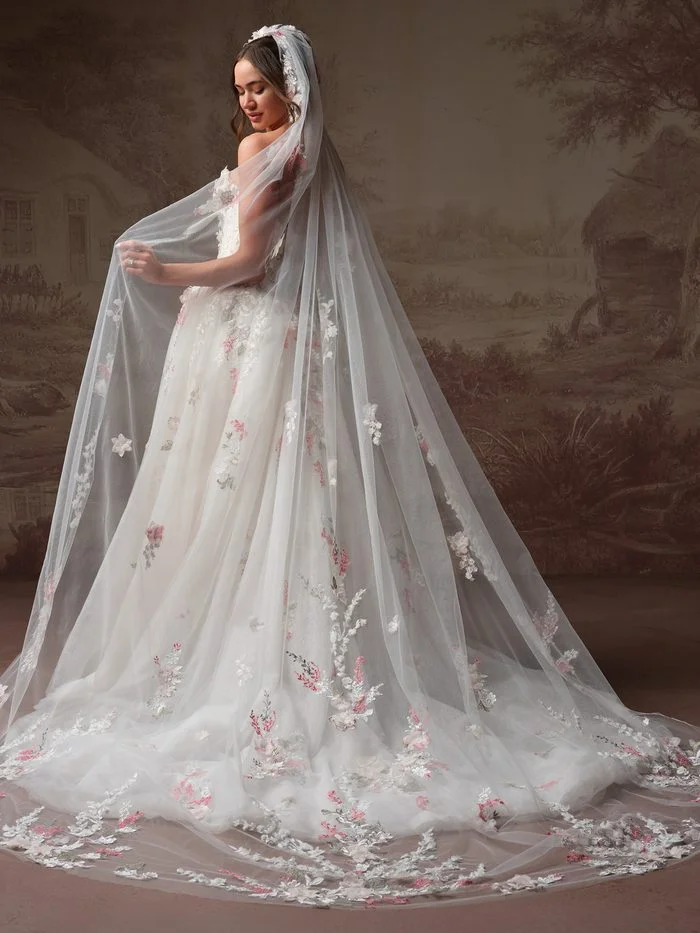
Let proportions guide you, not limit you
Height changes where a veil may fall, but it doesn’t rule out any style. A petite bride can choose a cathedral veil, and a tall bride can wear a fingertip veil. Consider the silhouette you want, the gown’s train and whether you’d like the veil to blend in or stand out.
On a petite frame, fingertip length may fall closer to mid-thigh, depending on proportions and comb placement. Fingertip and chapel styles can create a balanced outline, while cathedral and royal lengths add a more pronounced trail. For more gown-shopping guidance, see the petite wedding dress guide.
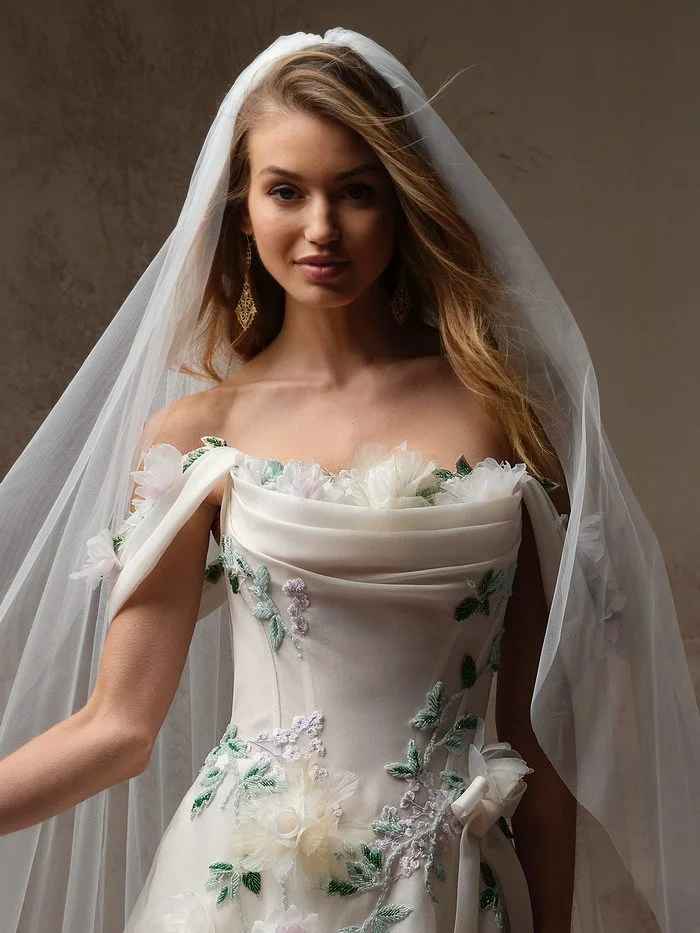
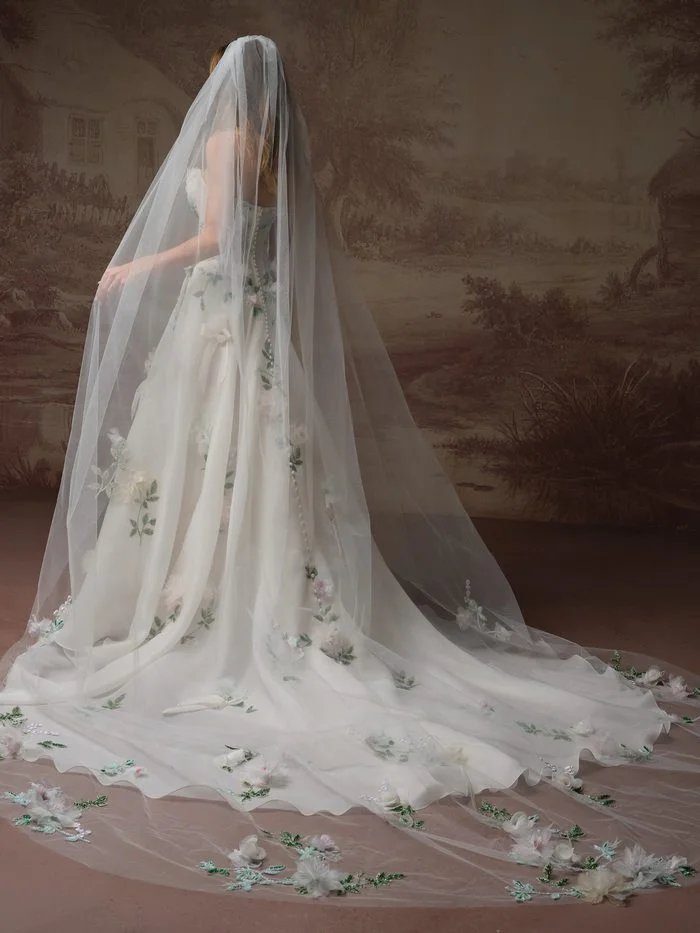
For an average-height bride, the chart is a useful comparison: fingertip length offers versatility, with chapel, cathedral and royal styles adding progressively more trailing fabric. A fuller skirt, fitted gown or dramatic train can change the effect, so try several lengths with your dress before deciding.
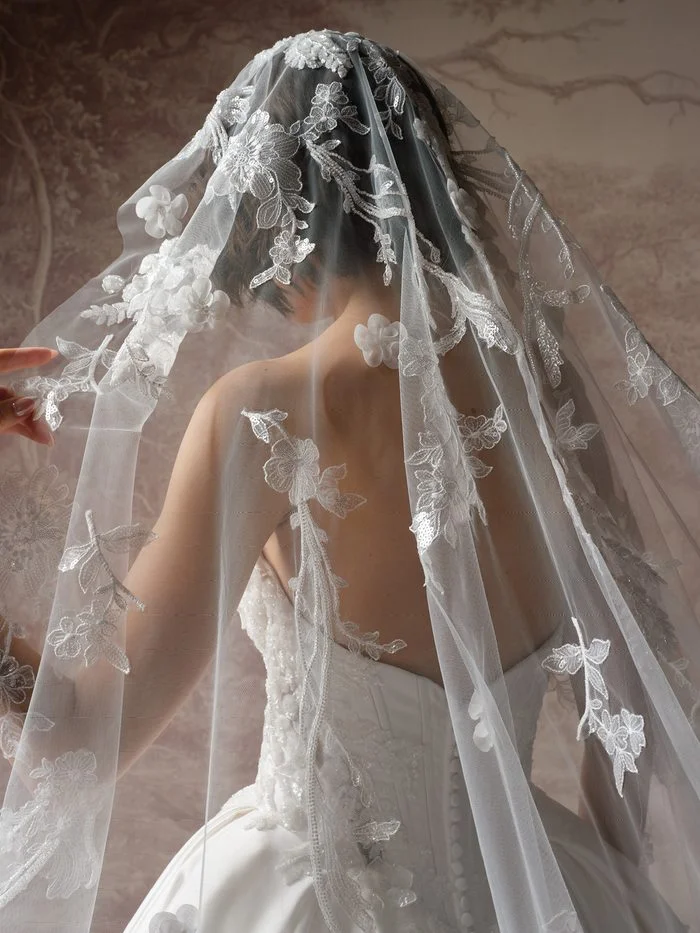
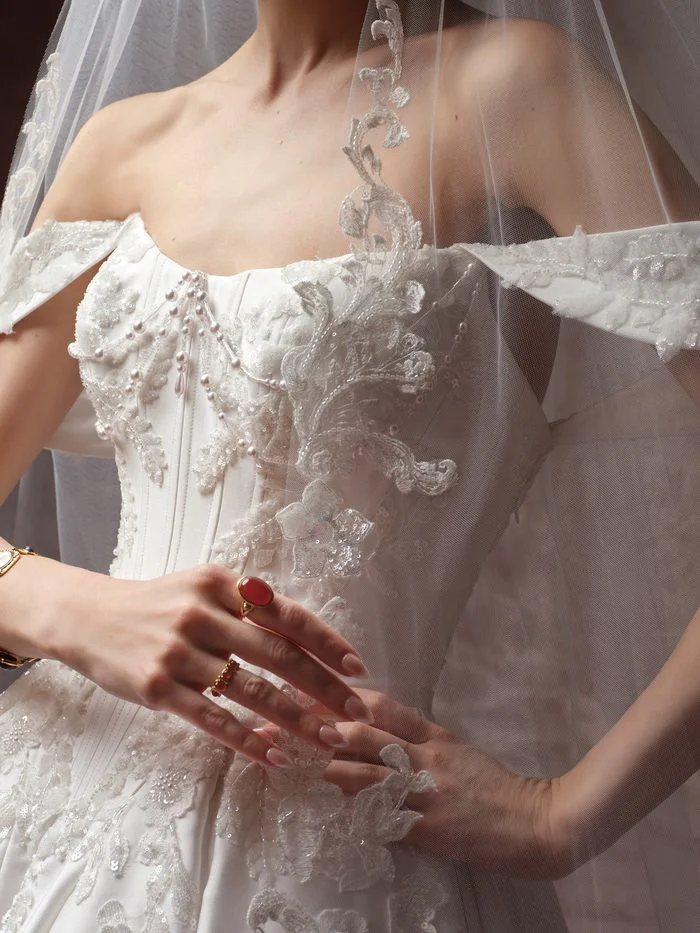
On a taller bride, fingertip length may land higher on the hip. Longer styles can provide more coverage or a sweeping train effect, though a shorter veil can also create a striking contrast with a floor-length gown. Comb placement matters at every height: moving it up or down shifts where the veil ends and how it frames the hairstyle and dress.
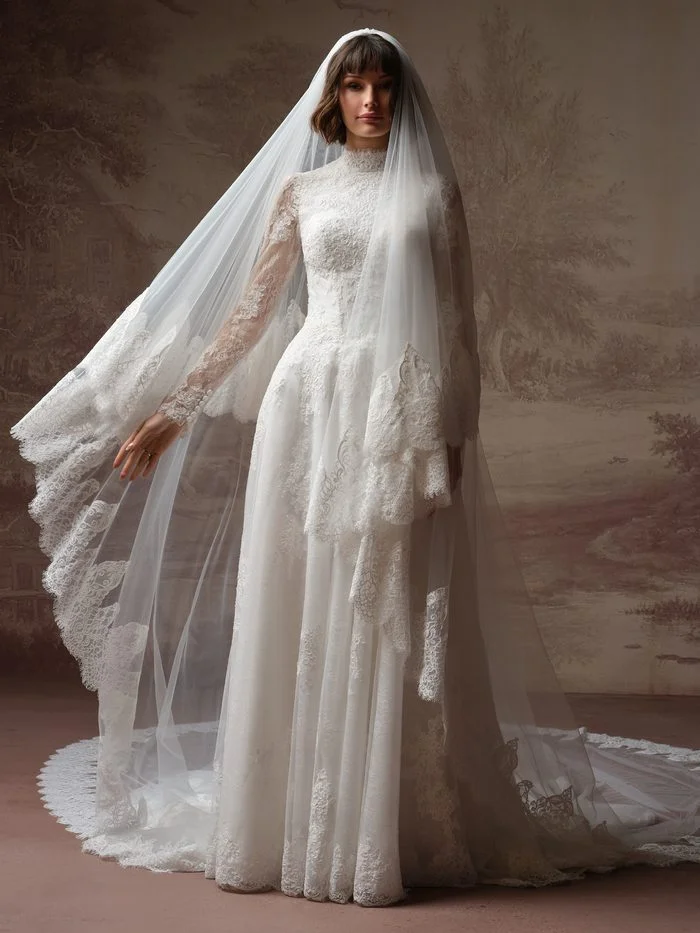
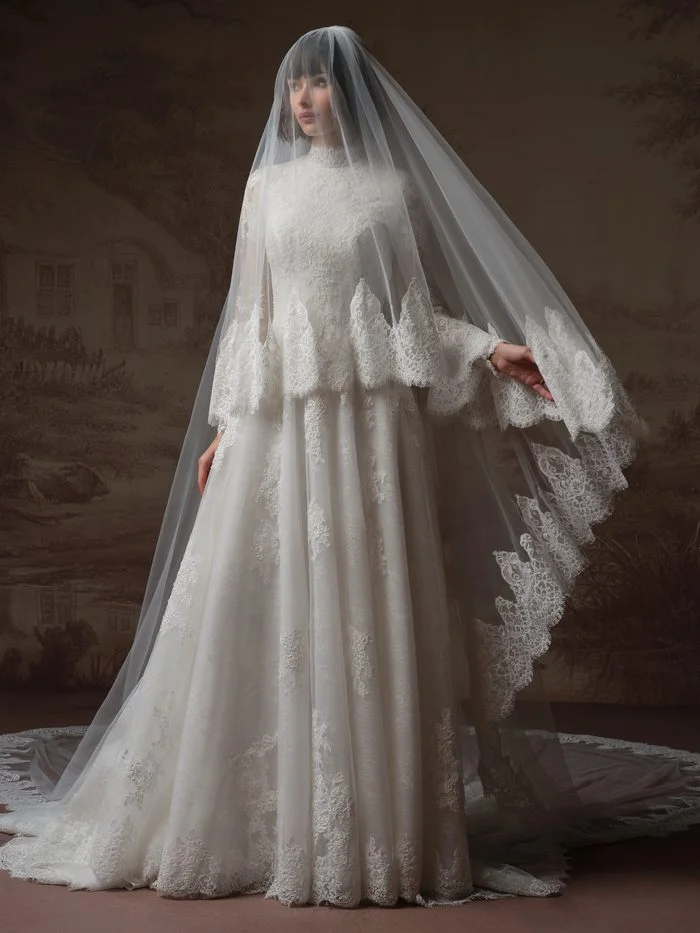
For more gown-fit guidance, see the wedding dress size chart. The Essentials Edit includes veils in many lengths and offers options for different budgets.
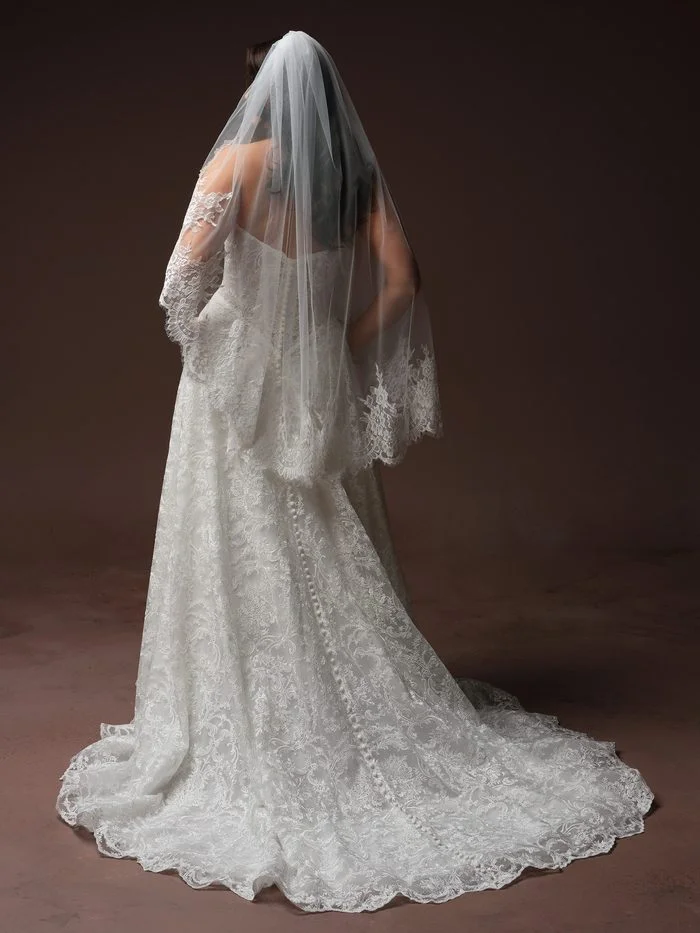
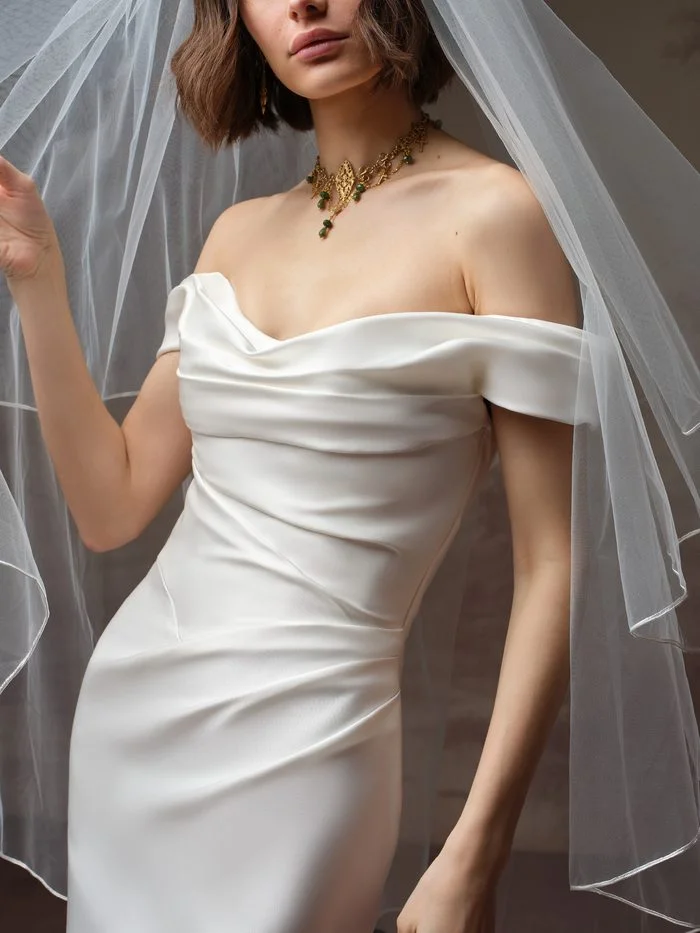
Match the veil to the setting and the day
Your venue, aisle and walking surface all affect how a veil will move. A church or cathedral with a long aisle can suit chapel, cathedral or royal lengths, especially alongside a gown with a train. In a garden or on a beach, fingertip and chapel veils offer movement with less fabric to manage. Longer styles can work outdoors too; consider the weather and whether the fabric might catch on sand, grass or uneven paths.
For a courthouse or city hall ceremony, a fingertip veil can complement a sleek or understated look. A longer veil can add an unexpected sweep to a minimalist gown. In a ballroom or grand indoor venue, chapel, cathedral and royal styles may feel at home; compare the aisle and dress train to decide how much trailing fabric you want.
Comfort and personal style can work together. If you’d like a long veil for the ceremony and portraits but don’t want to dance in it, remove it before the reception. Ask a trusted friend or family member to help spread and fluff the fabric after the aisle walk so it falls well for portraits.
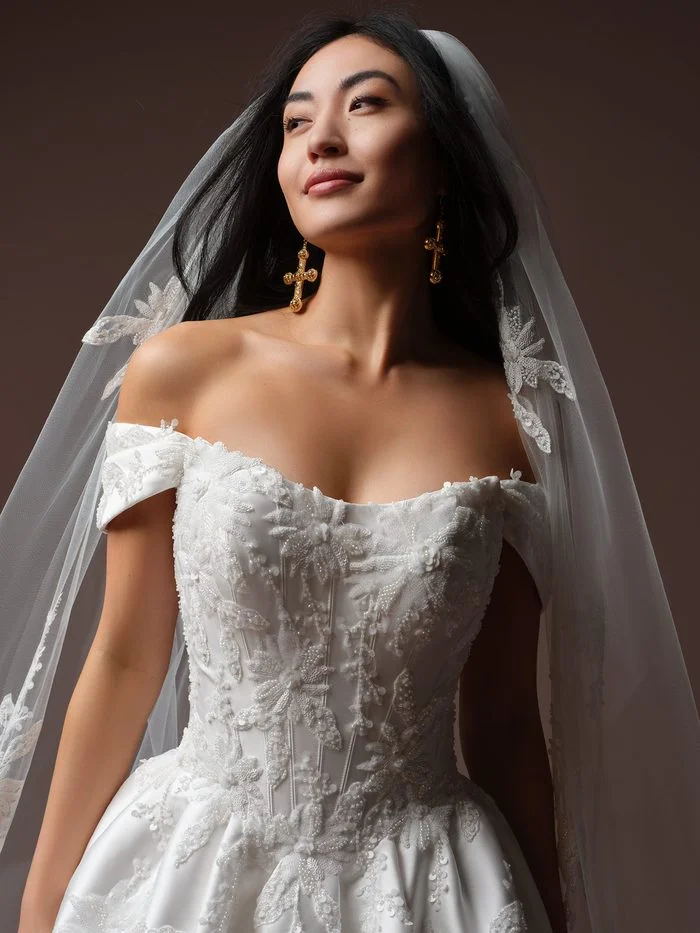
Secure it and try it in motion
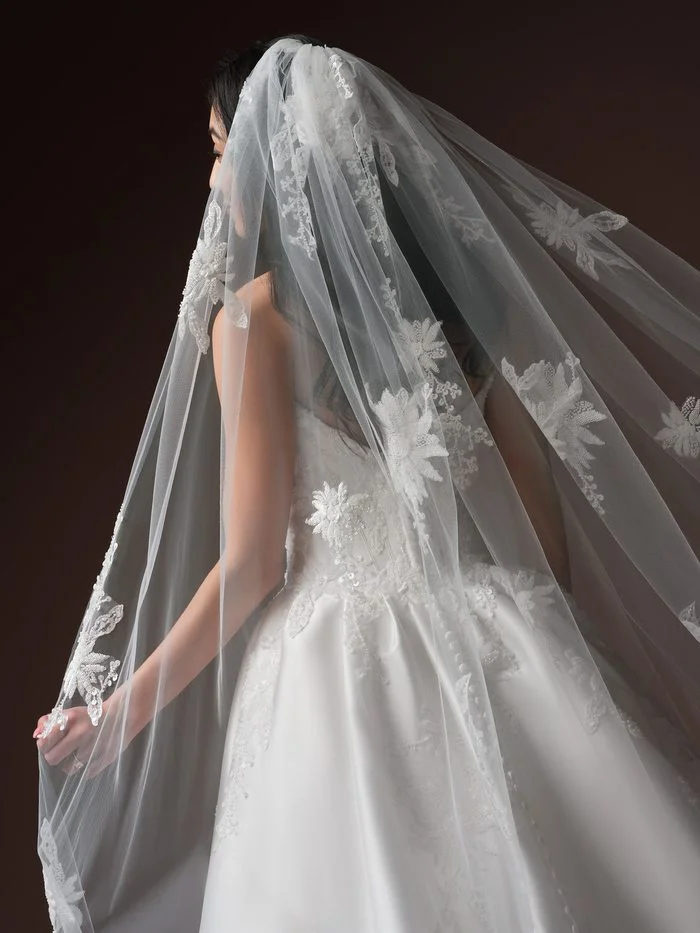
Bobby pins can help stabilize a veil. A hairstylist can place them discreetly and account for your hair texture, the veil’s weight and your hairstyle. Don’t rely on one pin to hold a heavy veil; the attachment should feel secure without pulling. If you plan to wear the veil for much of the day, practice walking, turning and sitting with it in place so you can see how it moves.
Your hairstyle doesn’t have to dictate the length. A bun, waves or ponytail can each work with different veils; choose the combination that feels like you. For another finishing touch, explore the veil collection.
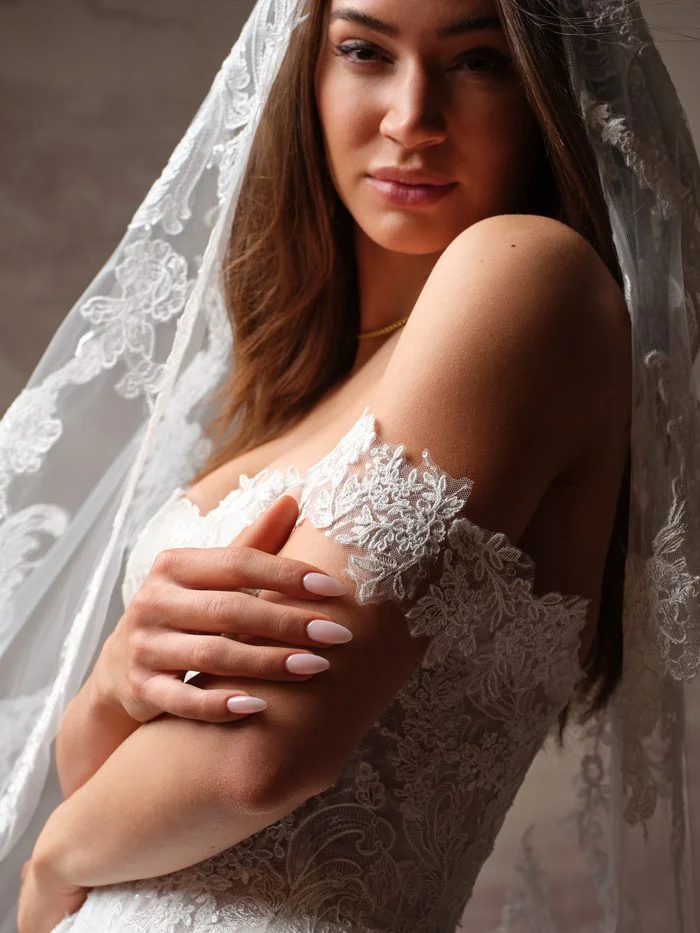
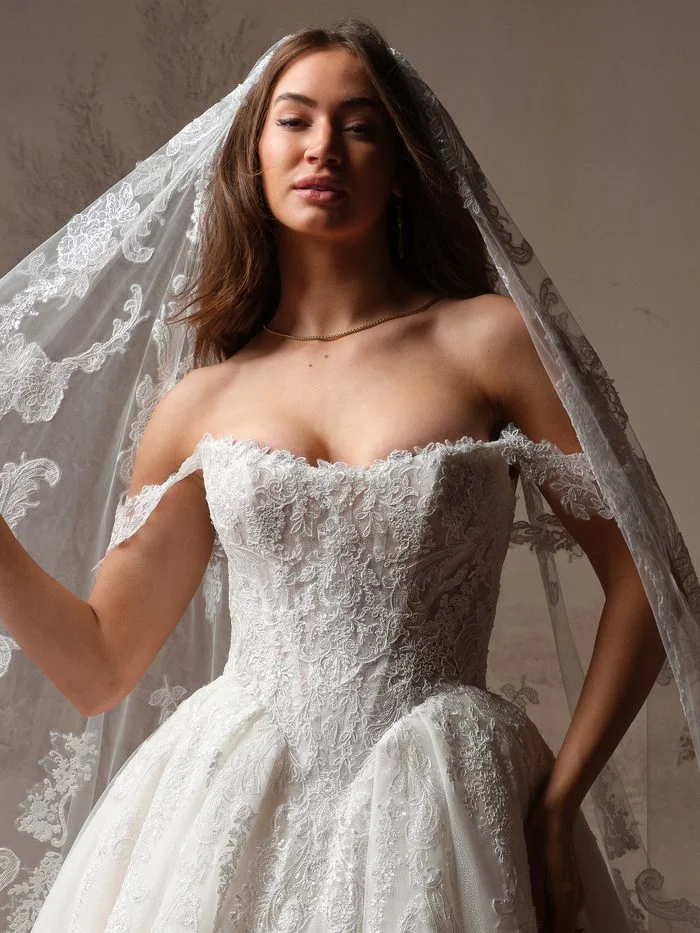
Use the chart to narrow the field, then judge each option with your hairstyle, shoes, gown and venue in view. A try-on with your dress will show how the fabric falls and moves; the best length is the one that supports the look and comfort you want.
More bridal accessory ideas
The Best Detachable Wedding Dress Accessories for a Custom Bridal Look