Sample No. 0132
Wedding Photography Planning Tips for a Relaxed, Personal Gallery
Plan a realistic photo timeline, prepare for weather and camera nerves, and keep meaningful people and details in your wedding gallery.
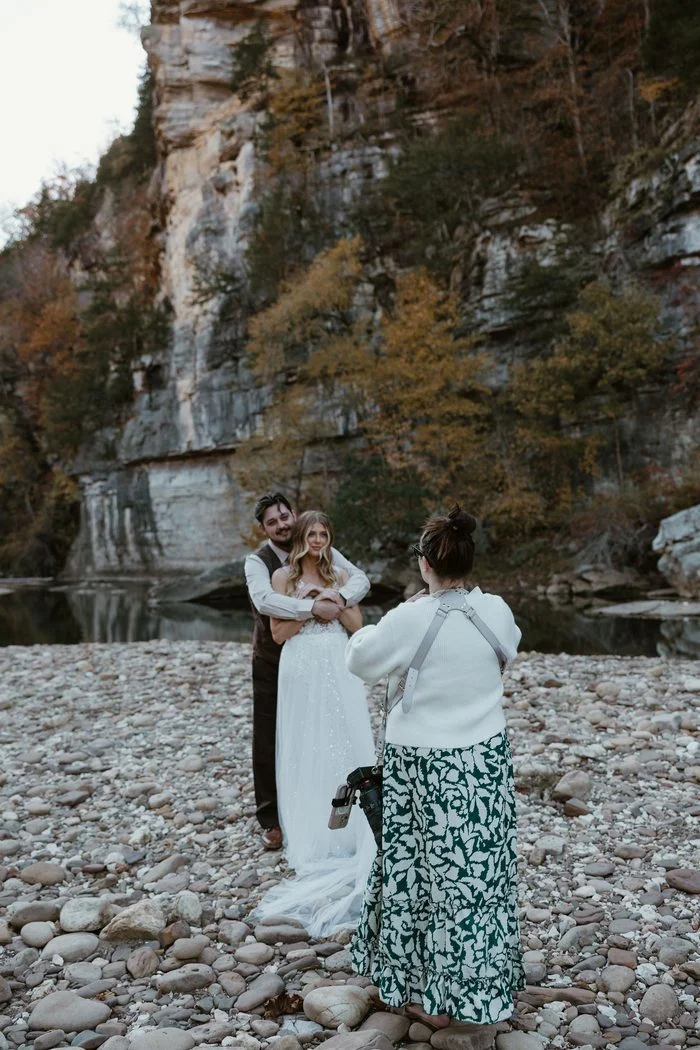
A wedding gallery is at its most useful when it brings back the whole day: the anticipation before the ceremony, the people who helped you get ready, the emotional first look, and the dance floor after dark. A little planning helps your photographer catch those moments while leaving you space to experience them.
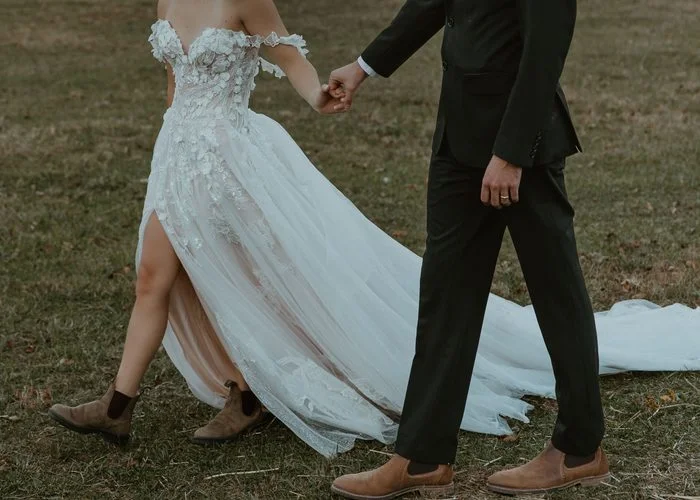
Start with the parts you’d be disappointed to miss, then talk through timing, locations, and comfort with your photographer. The aim isn’t to choreograph every minute. It’s to make the important moments easy to photograph and leave room for the unscripted ones.
Share your priorities and plan the schedule
Give your photographer a short list of essential people, groupings, and details. That could mean grandparents, a particular family combination, close friends, an heirloom, or a meaningful ceremony detail. Keep it focused: the list is there to protect the moments that matter most, not to direct every image.
Context helps, too. If your grandmother and your partner are especially close, tell the photographer. Knowing relationships and personal details makes it easier to notice interactions that might otherwise pass quickly.
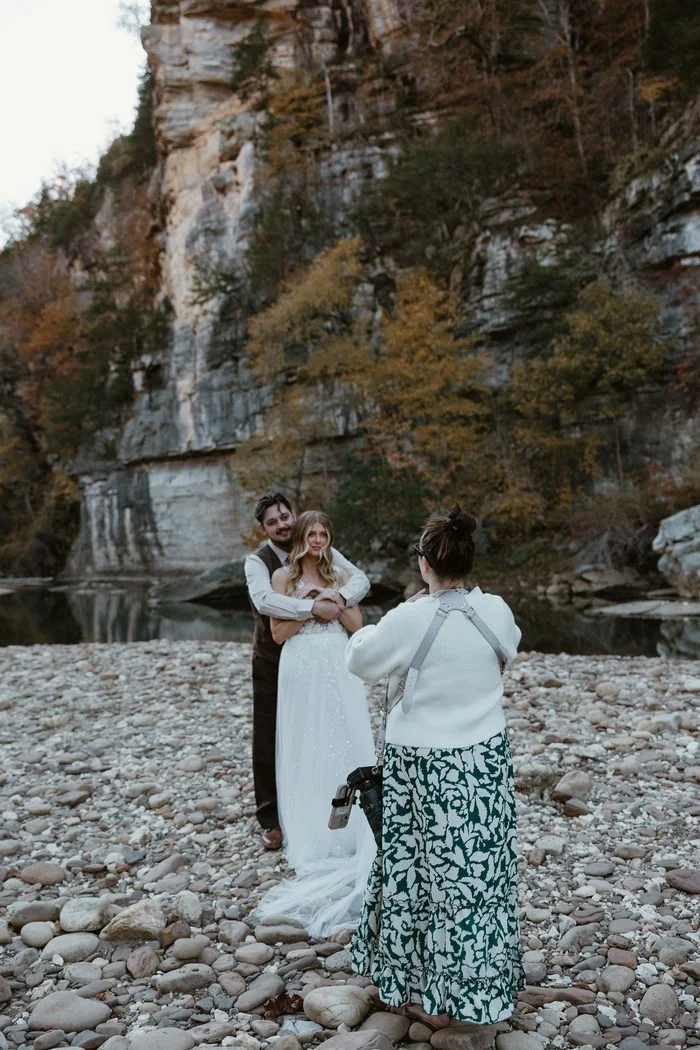
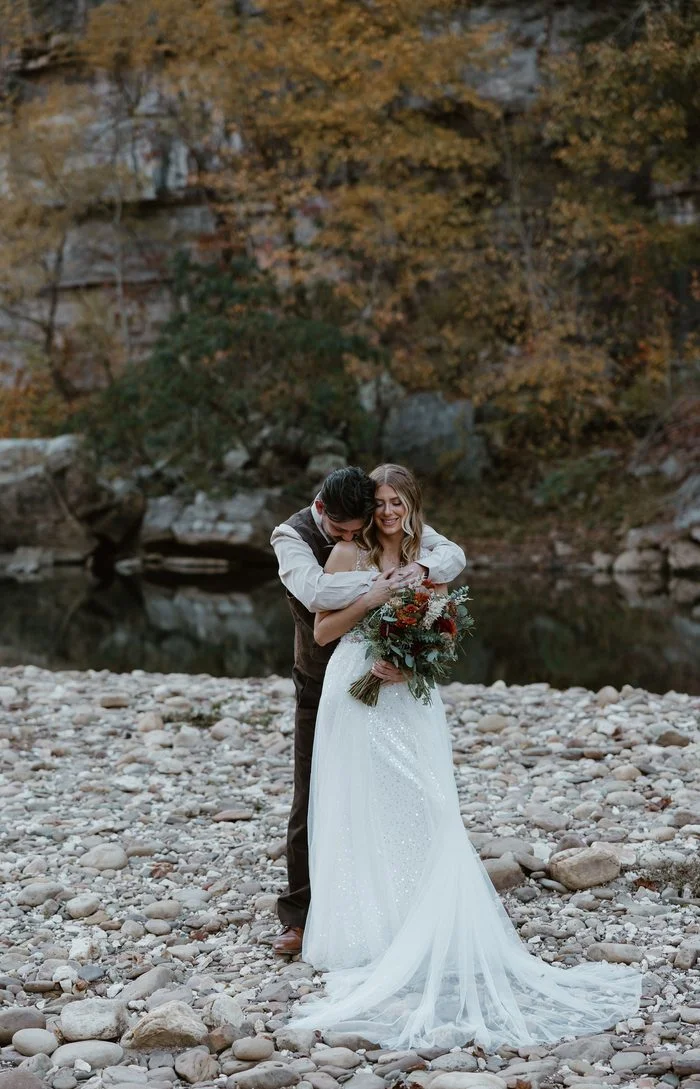
Ask how much time the photographer recommends for getting-ready pictures, family and wedding party portraits, couple portraits, and any other planned images. Include travel time when the ceremony and reception are at different venues. Leave breathing room between activities so a delay doesn’t turn the whole schedule into a rush.
If sunset portraits matter to you, discuss the timing in advance. You may want to step away from the reception, so agree on a window that fits the light without cutting into a moment you care about.
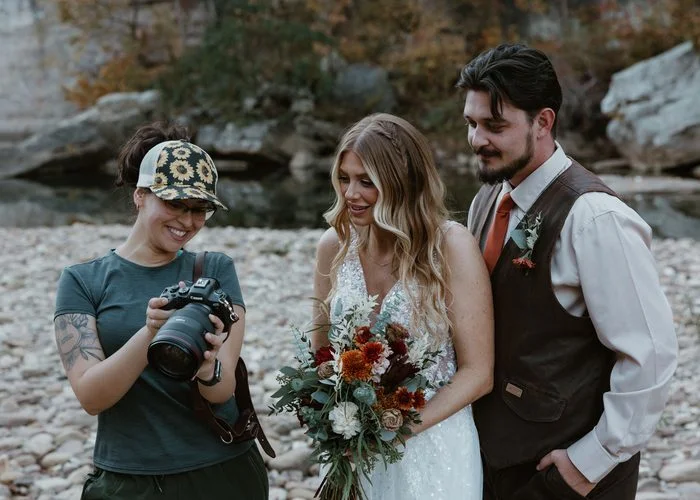
Choose the moments that feel right to you
A first look gives you private time together before the ceremony and can make it possible to finish some portraits before guests arrive. That may open up more of the celebration for you later. If seeing each other for the first time as you walk down the aisle feels more meaningful, keep that tradition and plan portraits around it. There’s no single right choice; the schedule should support the experience you want.
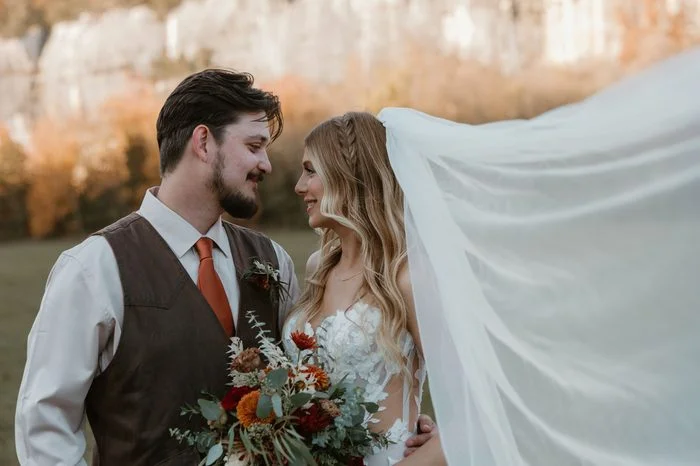
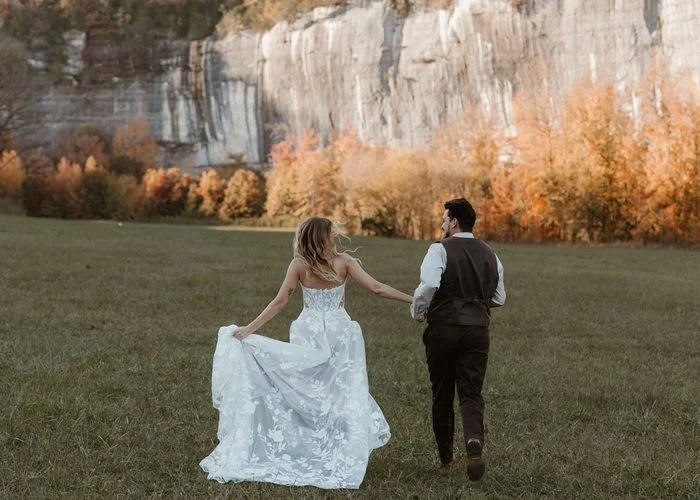
Decide whether you’d like an unplugged ceremony, with guests putting away phones and cameras. A guest stepping into the aisle for a picture can end up in the background of a professional image. If you want guests to take candid photos, a middle ground is to ask them to keep devices down during the ceremony and welcome pictures at the reception. Share your preference beforehand, and ask your officiant or coordinator to make a brief announcement if needed.
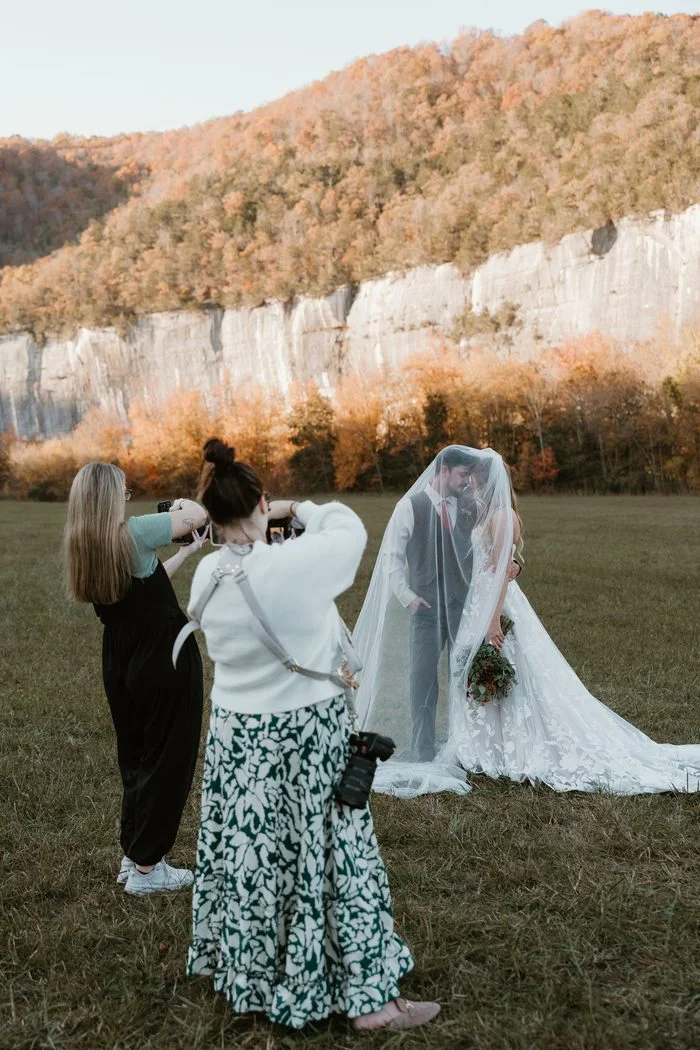
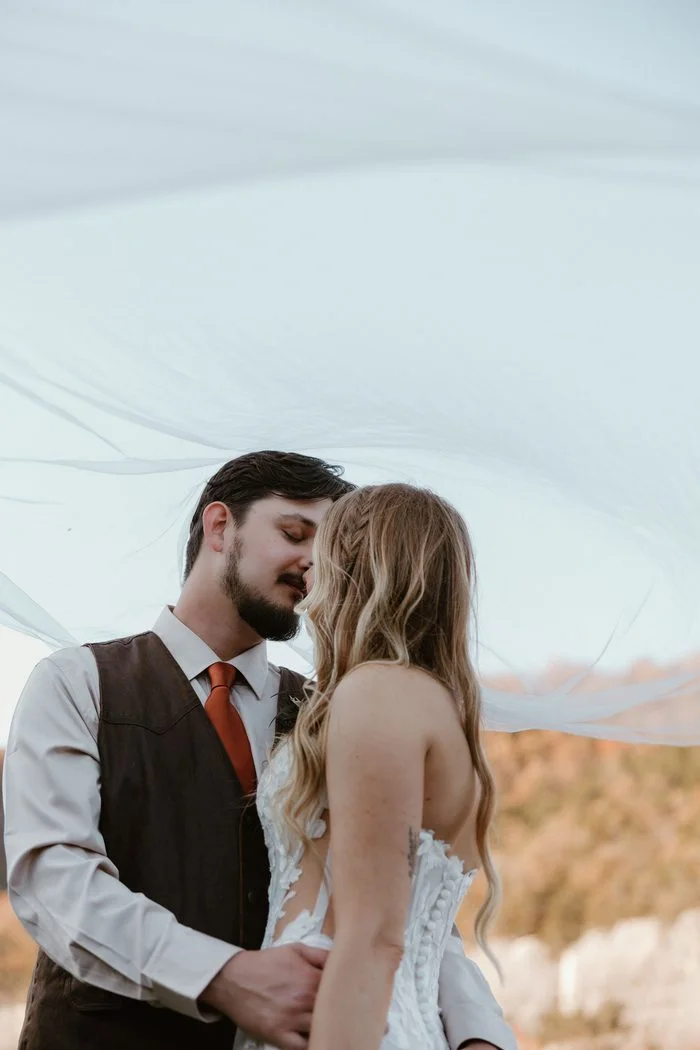
For outdoor portraits, settle on a weather backup with your photographer before the day. Identify a covered spot or indoor location for couple, family, and wedding party pictures. Rain and cloud can make appealing images, but knowing where you’ll go keeps a change in conditions from becoming a last-minute scramble.
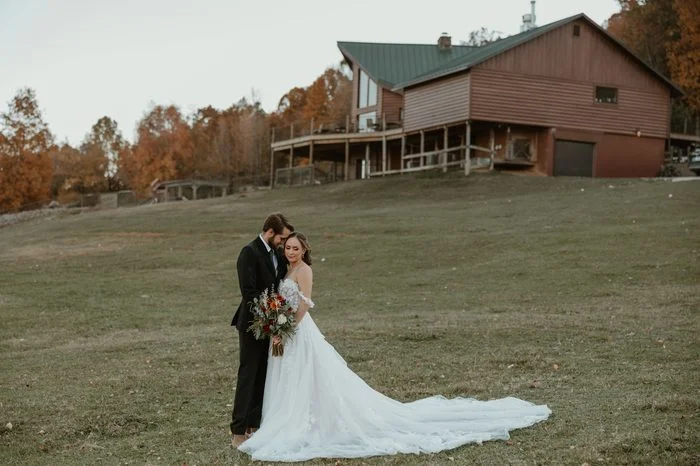
Make getting photographed more comfortable
You don’t need to know how to pose. Tell your photographer if being in front of a camera makes you uneasy; they can offer direction without making the session feel rigid. Instead of concentrating on your hands or posture, talk with your partner, walk together, laugh, or pause for a breath. Those in-between moments often feel more like you.
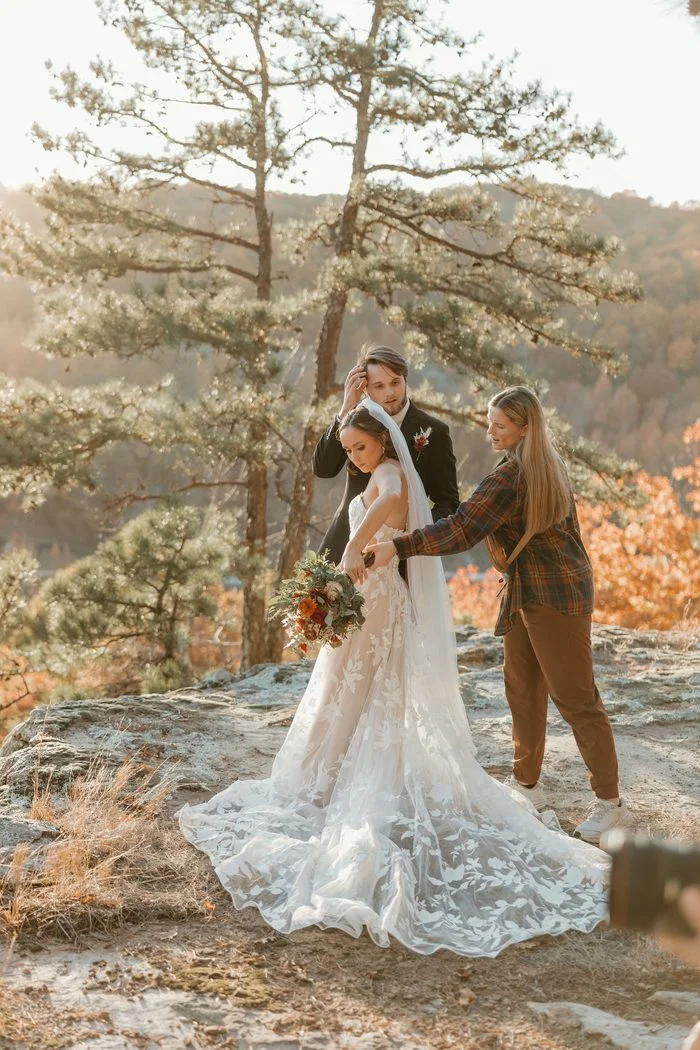
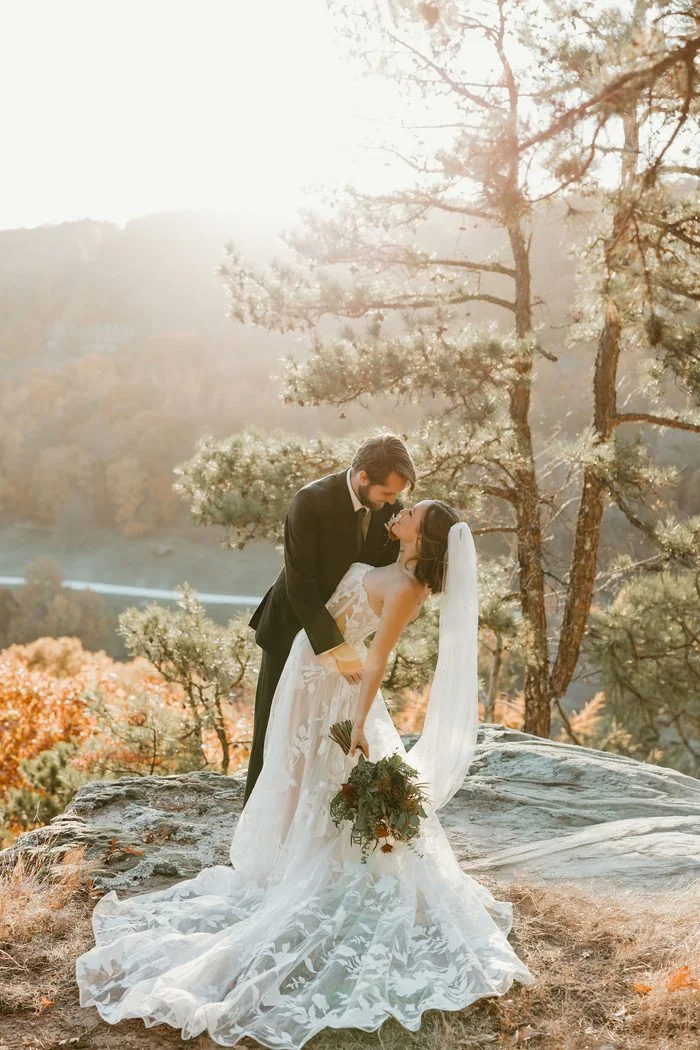
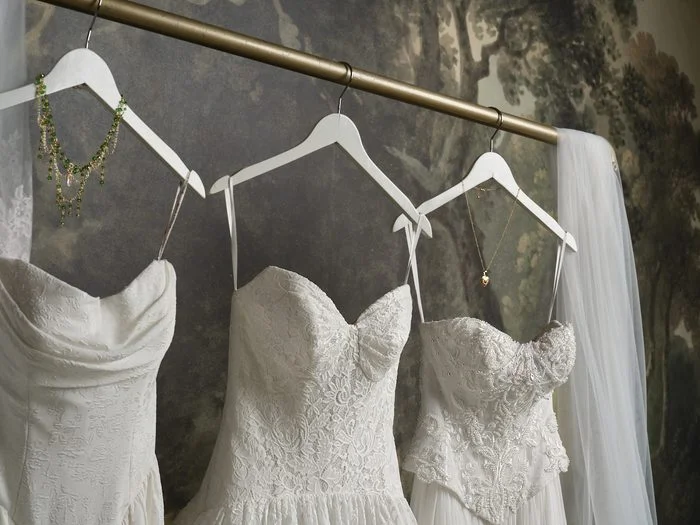
Set aside the items you want photographed before the photographer arrives: rings, invitations, shoes, jewelry, perfume, vow books, accessories, and other meaningful pieces. Keeping them together saves time during getting ready. You can also ask for a picture of the gown on a hanger before putting it on, especially if its lace, beading, buttons, train, or detachable details are part of what you want remembered.
A small day-of kit can help with distracting fixes. Pack fashion tape, safety pins, stain remover, bandages, blister pads, beauty touch-up products, and comfortable backup shoes. Let your photographer know where it is so a loose button or smudge can be handled quickly. For a fuller checklist, see the wedding day emergency kit guide.
Set expectations before and after the wedding
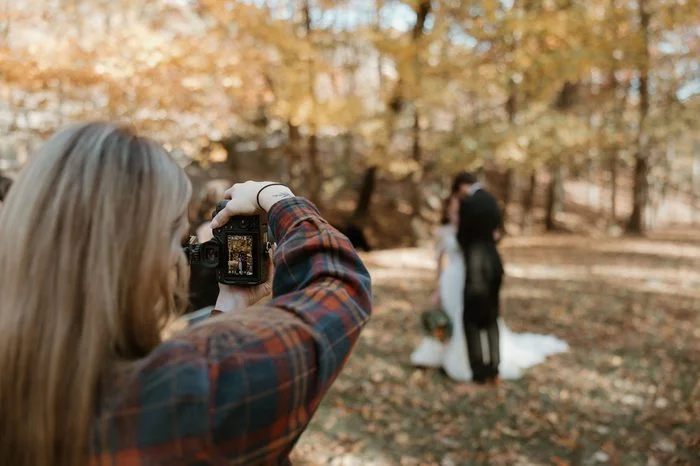
Before booking, ask how long the photographer’s coverage usually lasts and what that time could include: getting ready, a first look, portraits, the ceremony, cocktail hour, reception, or your grand exit. Your priorities and schedule will help determine the coverage that fits.
Review the photographer’s portfolio and talk about editing preferences before you book. Photographers tend to have a consistent visual style, so choose someone whose existing work feels right for you rather than expecting a completely different look. Ask about the expected delivery timeline, whether sneak peeks are offered, and what the package includes. Digital galleries, prints, albums, engagement sessions, and other products may be included or available as optional upgrades. If the photographer will be with you for much of the day, ask about meal arrangements while reviewing the contract.
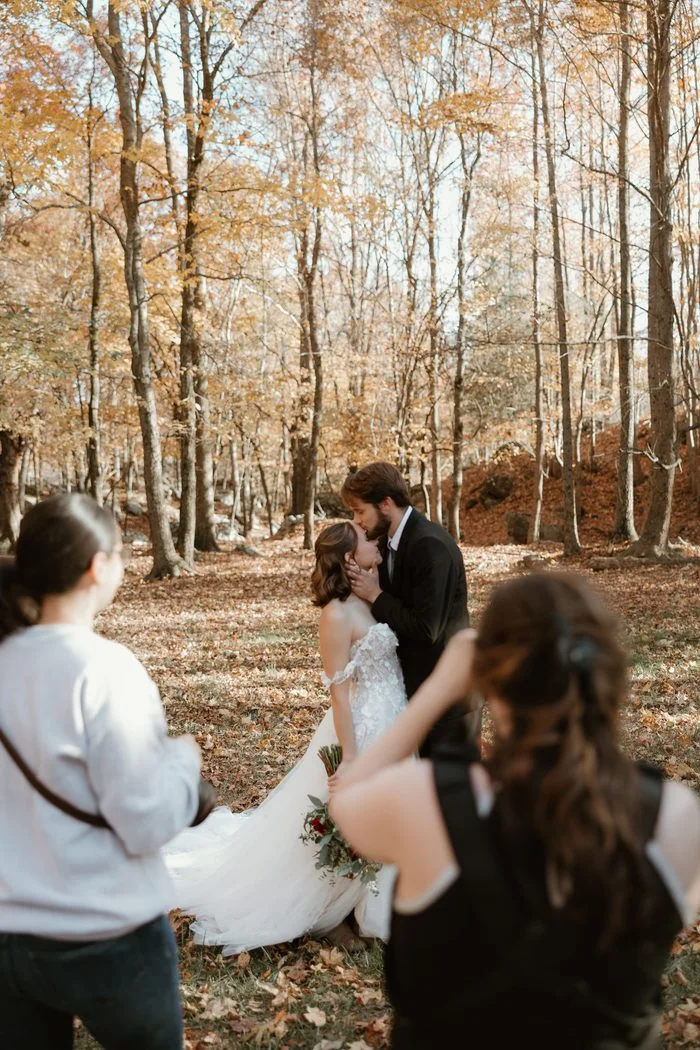
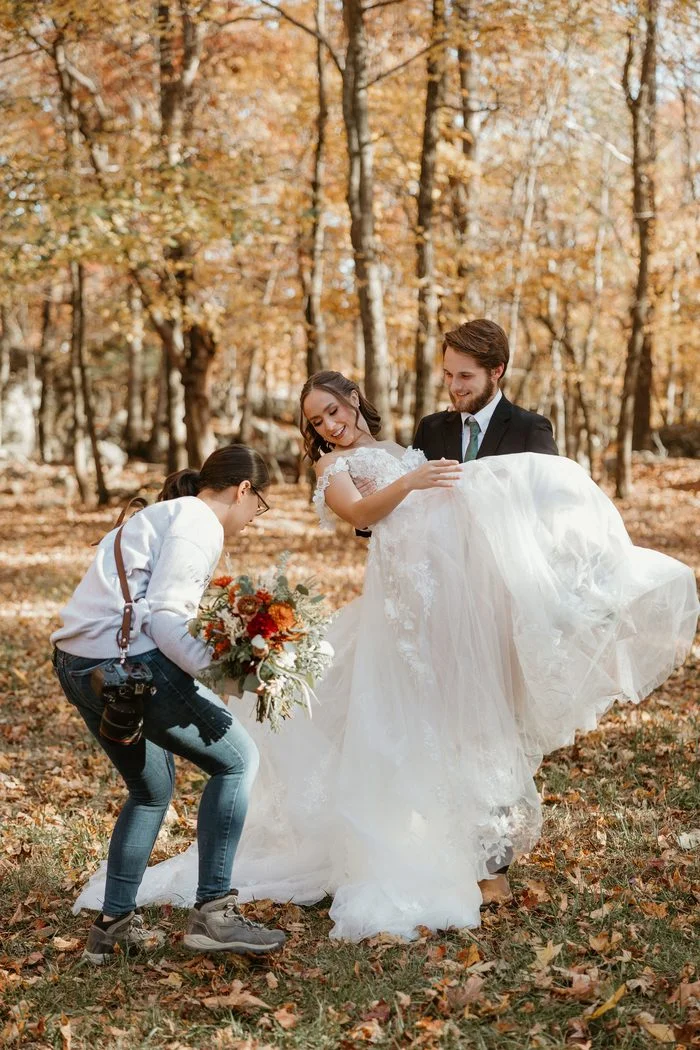
Editing a large gallery takes time, so knowing the photographer’s turnaround can make the wait easier. Once your images arrive, save copies beyond the original gallery link: use your computer, an external hard drive, or secure cloud storage, with more than one backup. Digital files are convenient to share, while prints and albums give favorite pictures a place outside a screen. You might keep a backup of the full gallery and choose a smaller set for an album, frames, thank-you cards, or sharing with family and friends.
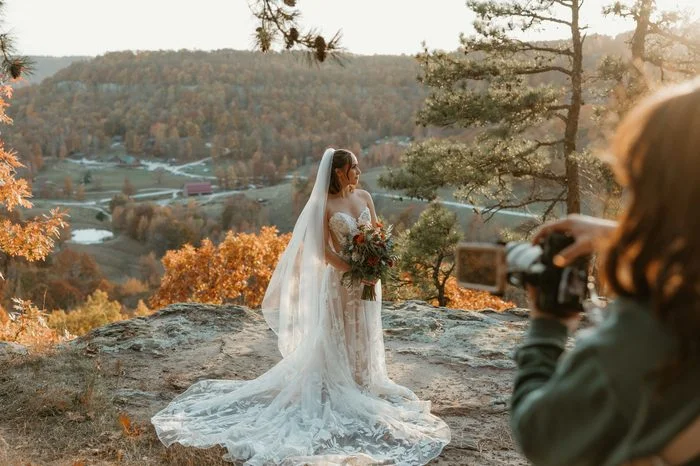
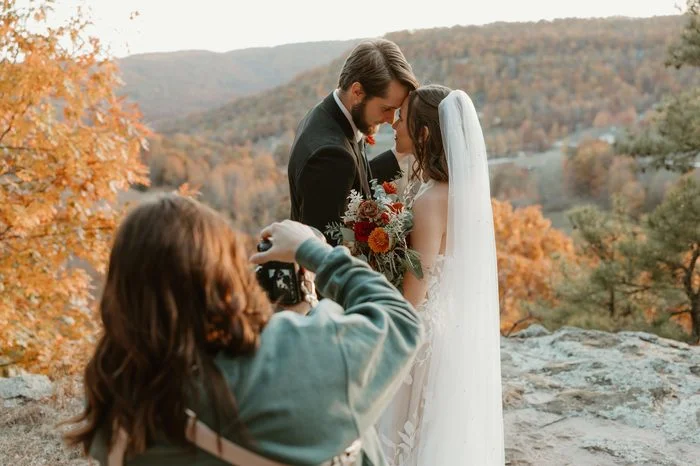
When the plan covers the essentials and leaves room for spontaneous moments, your gallery can hold both the details you prepared and the feelings you didn’t script. Take a breath, be with your people, and let the photographer notice what unfolds.
Common photography questions
How many hours of photography should we book?
It depends on which parts of the day you want documented. Decide when coverage should begin and whether you want getting-ready images, a first look, portraits, the ceremony, cocktail hour, reception, and a grand exit. Your photographer can help match coverage to your schedule and priorities.
Should we provide a meal for the photographer?
Ask about meal expectations while reviewing the contract. If the photographer is working through much of the day, especially into the reception, include their meal in your venue and vendor arrangements.
Can we request a particular editing style?
Discuss the look you want before booking and review the photographer’s portfolio carefully. Their established approach is a useful guide to what your finished gallery will look like.
What should we do with the images after delivery?
Back up the digital gallery in more than one place, then choose a manageable set of favorites for prints, an album, frames, or sharing. You don’t have to decide the future of every image at once.
Related reading
Wedding Day Emergency Kit: The Complete Checklist for Brides