Sample No. 0108
Mississauga Wedding Video Portraits: Waterfronts, Gardens and City Views
Explore Mississauga portrait settings and plan around light, travel time and the moving shots that help a wedding film feel personal.
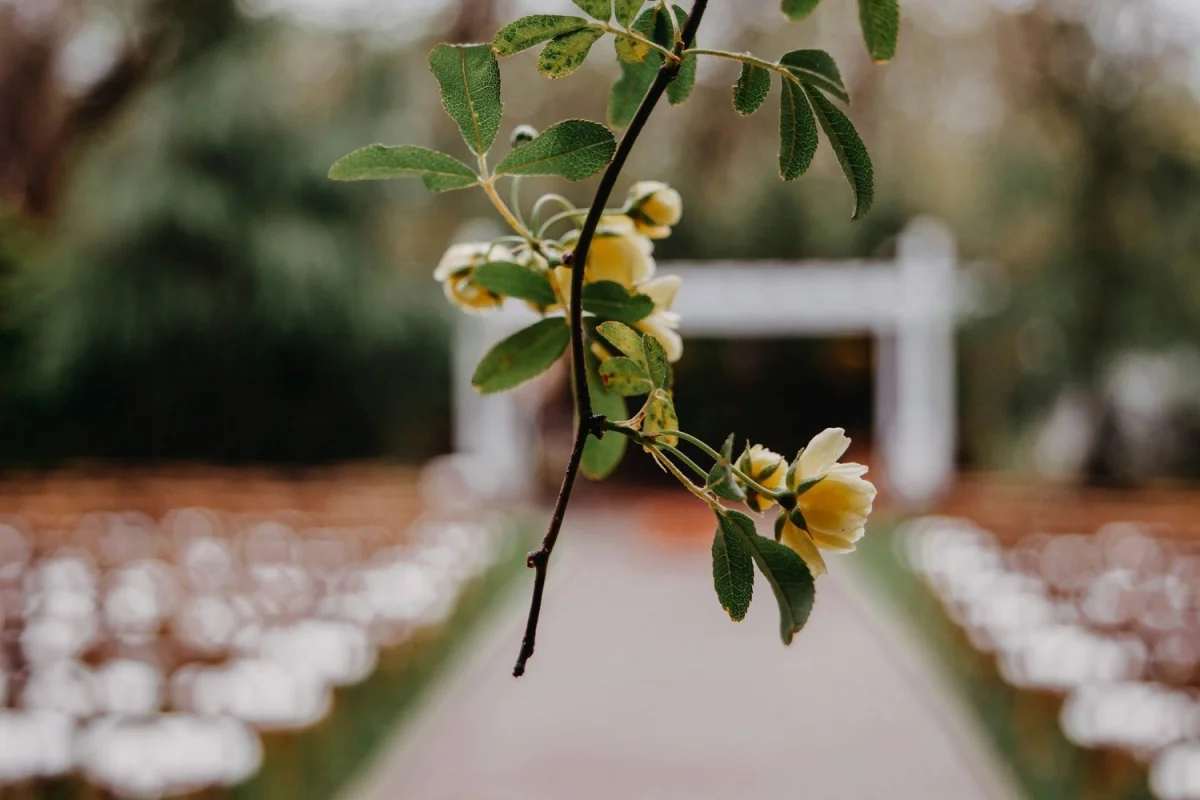
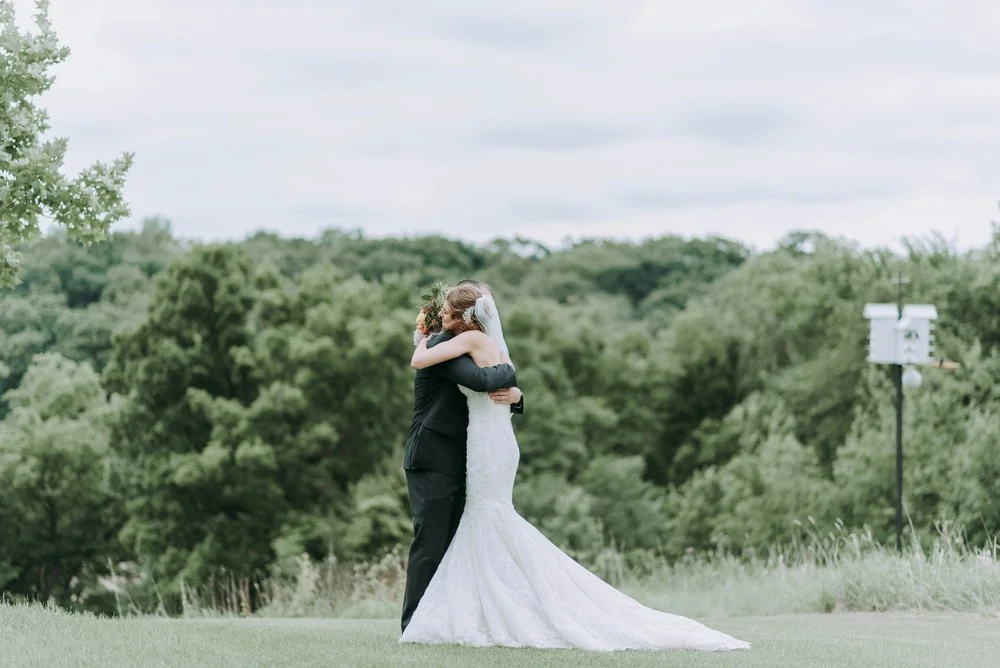
Mississauga gives couples several distinct looks for wedding portraits, from Lake Ontario’s open shoreline to gardens, historic properties and modern city scenes. The most useful choice is the one that fits the couple’s style and the day’s route, while giving the video team enough time and light to work.
It helps to think of a portrait stop as part of the wedding schedule, not a separate outing. A location that adds a different setting to the film can be a welcome pause together; a stop that requires a long drive may take time away from guests and other parts of the day. Share possible locations with your photography and video teams early so they can help weigh the look against timing and logistics.
Choose a setting for the feeling you want
Waterfront: Mississauga’s Lake Ontario shoreline offers open views of water and sky. The changing light can give footage a different mood from an indoor reception space, and the setting may offer a quieter moment away from the reception’s activity. If the shoreline appeals to you, consider how it fits into the day and talk through timing with your video team, especially if you’re hoping to capture the softer light around sunset.
Gardens and green spaces: Trees, flowers, paths and lawns add natural detail and give the frame room to change as you move. The look will shift with the season: spring blossoms, summer greenery and autumn foliage each bring their own colours and textures. Before choosing a public spot, confirm whether photography or filming permits are required. That check can help you settle on a workable location before the schedule is set.
Historic properties: Stone, brick, columns, gardens and older architectural details can create an elegant contrast with a modern wedding venue. These surroundings offer visual character that differs from a ballroom, without relying on a garden or waterfront backdrop. Consider which architectural details you’d like included, then let your cinematographer know so the team can account for them while planning the visit.
Urban settings: Modern buildings, city streets and contemporary architecture can give a wedding film a more editorial feel. If a garden-style setting doesn’t suit you, an urban backdrop is another way to make the portraits reflect your preferences. Architectural lines and changing backgrounds can also give the video team options as you move through the scene.
Plan around the light and the route
A location can look quite different depending on the time of day. Harsh midday sun may change the appearance of a park compared with the softer light later on. If your schedule has some flexibility, ask your photography and video teams when a shortlisted spot is likely to look its best. Their input can help connect the setting you like with a practical time to film.
Then map the stop against the ceremony and reception locations. A beautiful place can be a poor fit if reaching it means a long drive and less time with guests. Think about how the portrait stop fits into the existing route and how much time you want to spend away from the celebration. You don’t need the most famous location in the city for the footage to feel meaningful; a place that fits naturally into the day can be a better choice.
Look for movement, not just a striking frame
A spot that works in a still photograph won’t necessarily offer as much for video. Cinematography benefits from elements that change in the frame: a path to walk along, wind moving through trees, water, a shifting background or strong architectural lines. These details give the videographer opportunities to film movement and transitions, helping the portrait sequence feel connected rather than like a series of static poses.
When you compare locations, picture what you could do there together as well as what the background looks like. A path, for instance, creates room to walk; water and trees may offer changing movement and light. The setting doesn’t have to provide every visual element. What matters is that it gives your team useful ways to film the two of you in a style that feels comfortable.
Give your video team a clear heads-up
Tell your videographer about any location or moment that matters to you before the wedding. With that information, the team can consider timing, light and travel logistics while planning. Share what draws you to the place and how it fits your day; that context can help the team make practical choices on site.
Xpression Video Productions describes its wedding cinematography services as designed around real wedding-day conditions. Couples considering video coverage can contact Xpression Video Productions to discuss their plans.
Mississauga’s range of waterfront, garden, historic and urban settings means couples can choose a backdrop that suits their preferences without making the day revolve around travel. Start with the feeling you want, check light and logistics with your team, and choose a place that fits the celebration as well as the film.